


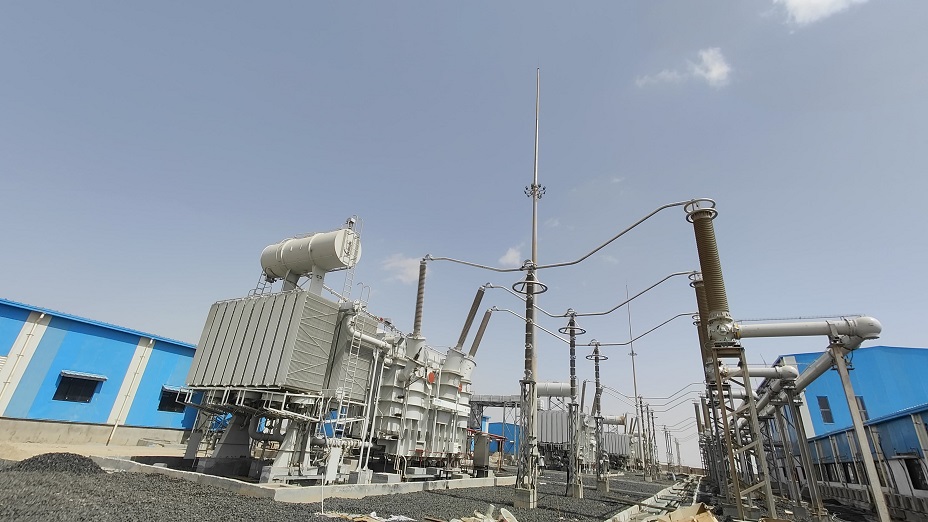
The Energy Solutions business of Godrej Enterprises Group (GEG) is executing a 400kV GIS pooling substation for Gujarat Industries Power Company Ltd (GIPCL) at the Khavda Renewable Energy Park in Gujarat. This case study takes a closer look at the project intricacies.
The Landscape: A Region Defined by Extremes
Stretching across the remote expanse of Kutch, Gujarat, Khavda is a landscape of extremes. Characterized by vast barren land, saline soil, harsh winds, limited water availability, and sparse habitation, the region has historically remained largely untouched by large-scale development. Temperatures soar, dust storms are frequent, corrosion levels are high, and basic infrastructure, including potable water, reliable power supply, and medical facilities, can be located several kilometres away. Situated in Seismic Zone V, the area also carries one of the highest earthquake risk classifications in the country.
Yet, what was once considered unproductive terrain is now at the heart of India’s clean energy ambitions.

The Opportunity: Powering India’s Energy Transition
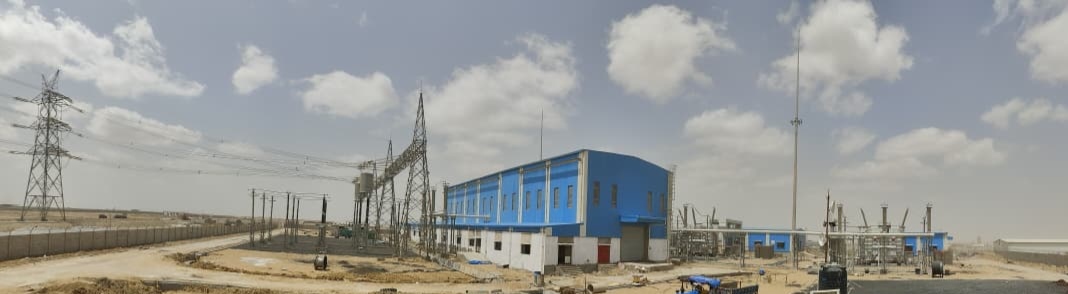
As solar and wind projects come up across the region, the need for robust power evacuation infrastructure becomes critical. At the centre of this transformation lies a key challenge: ensuring that renewable power generated across vast stretches of land can be efficiently collected, transformed, and transmitted into the national grid.
This is where Energy Solutions business of Godrej Enterprises Group (GEG) is contributing through the development of a 1.2 GW 400kV GIS pooling substation, enabling renewable energy generated across the park to be integrated into the national transmission network.
Building the Link Between Generation and Transmission
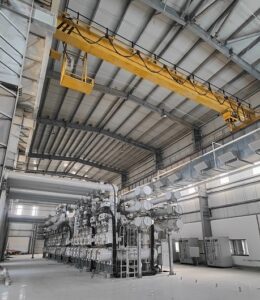

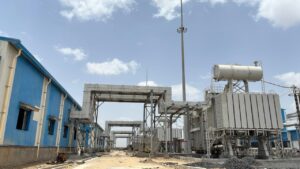
The substation serves as a vital link between renewable power generation and India’s transmission network, enabling power generated at 33kV from solar installations to be stepped up and evacuated through the 400kV grid substation.
Far more than a conventional substation, the facility acts as an energy aggregation and transmission gateway, consolidating renewable power from multiple sources before delivering it into the Western Region grid network. As renewable generation scales across Khavda, this infrastructure becomes essential to ensuring reliable and efficient power evacuation.
Delivering Infrastructure in One of India’s Toughest Environments
While the technical complexity of the project is significant, the execution environment has been equally demanding.
With summer temperatures reaching 47°C, high salinity levels accelerating corrosion, frequent dust-laden winds, and virtually no supporting infrastructure in the vicinity, every aspect of project execution required meticulous planning. The site’s proximity to the international border added another layer of complexity, with the movement of manpower and equipment subject to multiple security clearances and protocols.
More than 200 personnel have been deployed across the region to support project activities despite the demanding conditions.
Overcoming the Odds: How Godrej Addressed the Challenges

To ensure seamless project delivery, the business established dedicated site infrastructure, including accommodation facilities, air-conditioned offices, water treatment systems, transportation arrangements, and workforce support mechanisms. Careful planning was undertaken to manage logistics, workforce deployment, material movement, and construction activities in a region with limited connectivity and support infrastructure.
The project design also accounted for the site’s challenging environmental conditions, including seismic considerations, saline exposure, high winds, and extreme temperatures, ensuring long-term reliability and operational resilience.
Conclusion
The Khavda project exemplifies the role of engineering in bridging geography, climate, and infrastructure challenges. By delivering critical power evacuation infrastructure in one of India’s toughest environments, Energy Solutions business of Godrej Enterprises Group is helping lay the foundation for the country’s next phase of renewable energy growth.
All photographs (source: Godrej Enterprises Group) relate to