


A large proportion of insulator failures on transmission lines are preventable and can be addressed through targeted intervention in design, specification, and quality assurance, a newly released report by Central Electricity Authority (CEA) observes.
CEA’s “Report of the Committee on addressing Insulator Failures on Transmission Lines” said that based on analysis of failure data furnished by participants, it was found that a significant proportion of failures – ranging from 60 per cent to 80 per cent – occur during the monsoon period.
This is suggestive of strong correlation between insulator failure and environmental stress conditions.
“Failures have been reported across voltage levels, including 220kV, 400kV, and 765kV systems, and across utilities, thereby reinforcing the systemic nature of the issue,” the report said.
The underlying causes have been identified to include environmental stress, inadequate electric field control due to improper design or absence of grading and corona rings, material and manufacturing defects, and operational issues such as improper installation and inadequate maintenance practices.
The report stresses that a large proportion of these failures are preventable and can be addressed through targeted interventions in design, specification, and quality assurance.
The report outlines a well-defined Quality Assurance Plan (QAP) to ensure that insulators consistently meet specified technical requirements, while also reducing failures, risks and lifecycle costs.
The QAP emphasizes that quality must be ensured from the initial stages through proper design, use of high-quality raw materials, controlled manufacturing processes and skilled workmanship, supported by systematic documentation at every stage.
The report also includes a Model Quality Assurance Plan (MQAP) for composite polymer insulators for reference and for use by all transmission utilities with appropriate modifications.
Reasons for failure
The report, after studying data furnished by various utilities, laid out factors contributing to insulator failure on transmission lines. For composite/polymer insulators, the reasons included: raw material and manufacturing defect, improper design with respect to climatic conditions, loss of hydrophobicity of silicone housing, stress corrosion core (SCC) of glass-fibre, etc.
In the case of porcelain insulators, factors contributing to failure covered: insulator disc flashover, failure of insulator strings, bird-related faults, ageing effects, etc.
The full report is available on CEA’s official website and may be accessed using this external link.
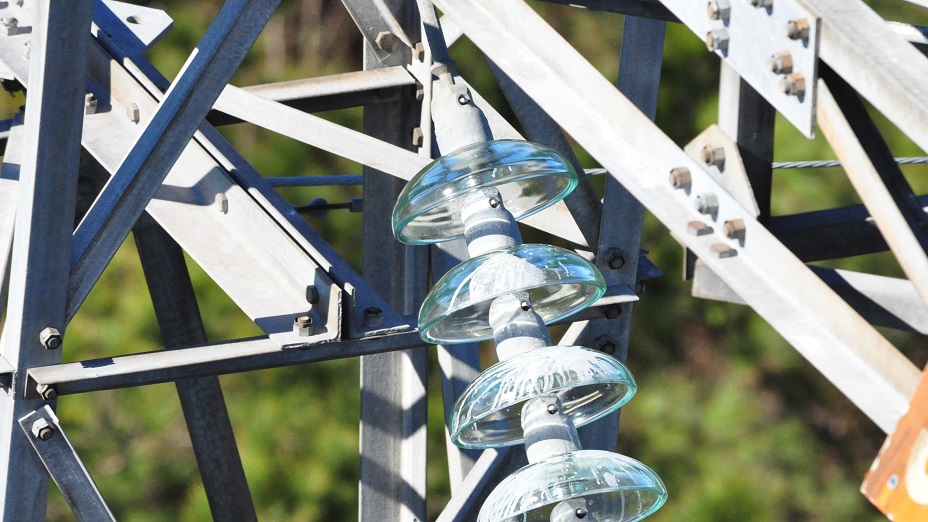
Featured photograph (source: transmission.epri.org) is for representation only