

Established in 2012, Caparo Power Ltd, part of the Caparo Group, has been supplying reliable and affordable electricity from its gas-based group captive power plant in Haryana to marquee industrial consumers. Raman Chopra, CEO & Whole-Time Director, Caparo Power Ltd, in this exclusive interaction, explains the growing acceptance of group captive power plants despite higher tariffs. Chopra is confident that prospects for gas-based captive power plants in India are bright given that businesses are no longer viewing electricity as a mere operating expense but as an important factor ultimately governing productivity and business competitiveness.


The group captive model has become an increasingly attractive option for industrial consumers across India. Over the last few years, businesses have realised that power is no longer just another operating expense, it directly impacts competitiveness, productivity, and long-term planning.
Manufacturers today are looking for reliable power, better cost visibility, and greater control over their energy needs. The group captive route helps address all three. It allows consumers to reduce dependence on conventional grid supply, access more predictable pricing, and ensure a higher level of reliability for their operations.
What was once considered a niche solution is now becoming a mainstream consideration for many energy-intensive industries.
What is the policy framework for group captive power plants under the Electricity Act, 2003?
The Electricity Act, 2003 was a significant reform for India’s power sector. It created the framework that enabled captive and group captive power generation.
Under the regulations, a group of consumers can jointly own a power plant, provided they collectively hold at least 26 per cent equity and consume at least 51 per cent of the power generated. This structure has made it easier for industries to participate directly in power generation while complying with regulatory requirements.

States such as Haryana, Gujarat, Maharashtra, Rajasthan, and Tamil Nadu have emerged as leaders in this space. Their strong industrial base, coupled with relatively supportive open access policies, has helped group captive projects gain momentum. Haryana, in particular, has been proactive in encouraging industrial growth and facilitating such initiatives.
Tell us about Caparo Power’s plant at Bawal in Haryana — its size, the customers it serves, and the rationale for choosing the project site.
Our Bawal plant was developed with a very clear objective — to serve the growing energy needs of industries located within one of Haryana’s most important manufacturing hubs.
Bawal has a strong concentration of automotive, engineering, and manufacturing companies, making it an ideal location for a group captive facility. Being close to consumers helps improve efficiency, reduce transmission-related challenges, and ensure better service delivery.
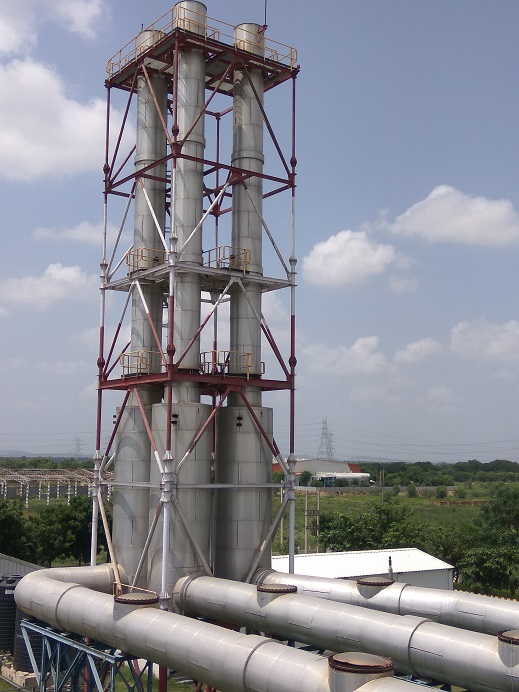
The plant has an actual installed capacity of 36 MW and currently serves 33 customers. It caters to a cluster of industrial consumers in the region, many of whom require dependable power for continuous manufacturing operations. The location and scale were both chosen keeping long-term industrial demand in mind.
What advantages do Caparo customers have? How does pricing compare with grid rates?
Power cost comparisons in the industrial sector are often based only on the basic tariff; however, the true economic impact should be assessed using the total landed power cost.
This should include the cost of backup power arrangements, as well as the adverse effects of power interruptions on productivity, equipment reliability, product quality, and maintenance costs. A holistic evaluation provides a more accurate measure of the actual cost of power to industry. We are supplying reliable power at 99.67 pe cent uptime on affordable price.
It is important to be transparent here: our tariff rates are actually at a premium compared to the prevailing Haryana grid tariff, approximately 15–20 per cent higher. However, pricing is only one part of the equation.
The differentiator that matters most to our customers is quality and reliability. We deliver power with 99.67 per cent reliability — a standard that is unmatched anywhere in India. For industrial consumers, even a brief disruption can affect production schedules, product quality, and equipment performance. That level of certainty has real, measurable value.
This is the specific reason why our consumers prefer us over the grid. They are not paying a premium for power alone — they are paying for the confidence that their operations will not be interrupted.
The plant runs on R-LNG. How do you manage fuel security, especially given the current West Asia tensions?
Fuel security is a critical aspect of any gas-based power project, and it is something we monitor very closely.
We work with a carefully selected group of reputed LNG suppliers — GAIL, IOCL, Shell, Reliance, etc to ensure supply diversity and resilience. Engaging multiple suppliers across different contract structures is a deliberate strategy to diversify our risks and avoid dependence on any single source.
All our contracts are linked to external benchmarks, and tenures range from 6 months to 3 years across our portfolio. This combination of supplier diversification, benchmark-linked pricing, and staggered tenures gives us the flexibility to manage market volatility effectively. So far, we have been able to manage fuel requirements without disruption to our consumers.

Do you have your own power T&D infrastructure, or do you use the state utility network?
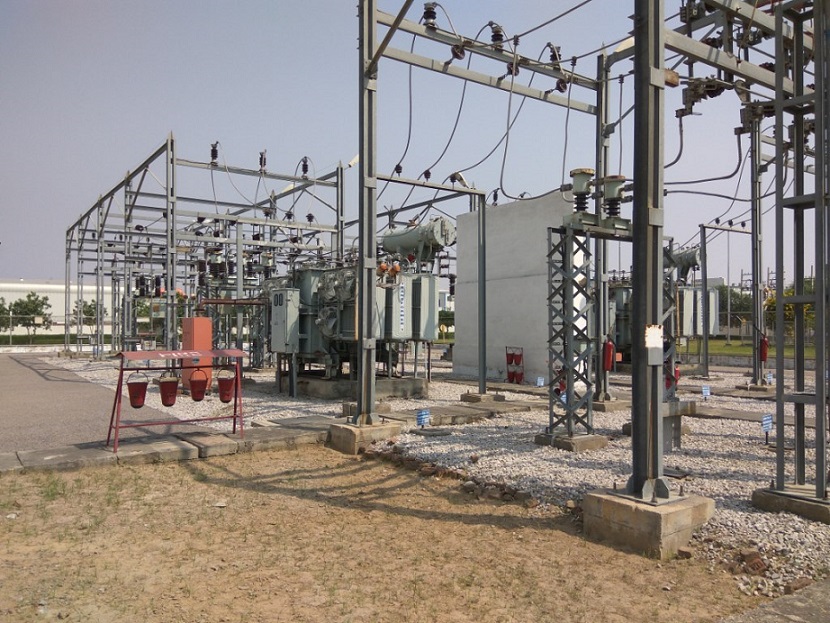
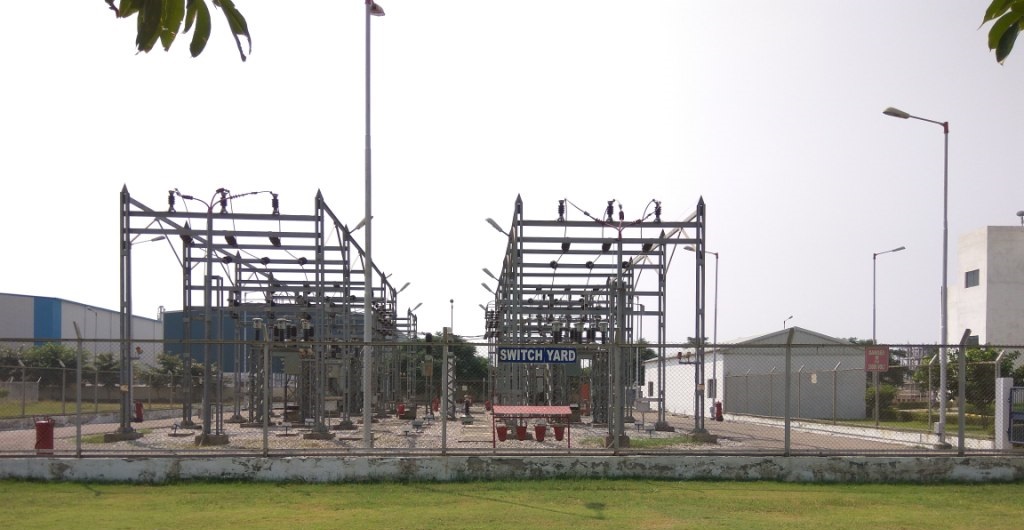
We have laid and operate our own 100 per cent underground power distribution network across Bawal IMT, spanning approximately 125 km and serving both 11kV and 33kV consumers. This network is laid after obtaining all necessary approvals from HSIIDC, NHAI, and other relevant authorities.
Because the network is underground, it is far less exposed to disruptions caused by rain, storms, road accidents, and other external incidents. This robust infrastructure plays a key role in helping us deliver unmatched uptime of over 99.67 per cent to our consumers.
Does Caparo Power plan more group captive plants? Will they also be R-LNG based and built in associated with Wartsila?
Expansion is certainly part of our long-term vision. The experience gained from operating the Bawal plant has provided valuable insights into project development, fuel management, customer engagement, and day-to-day operations.
We intend to build on those learnings as we expand. We are currently evaluating locations in Haryana, Tamil Nadu, Rajasthan, and Maharashtra, with these plants indicatively proposed to be operational in a phased manner from 2027–28 onwards.
Gas-based generation continues to be an attractive option because of its operational flexibility, lower emissions profile, and ability to support industrial consumers that require dependable power. Wartsila’s technology has performed well for us, and we would naturally consider similar partnerships in future projects, while evaluating each opportunity based on its specific requirements.

Where do you see the highest potential for group captive plants across India?
The strongest opportunities exist in regions with large industrial clusters and significant energy demand.
Areas such as the Pune-Nashik belt in Maharashtra, the Surat-Ahmedabad region in Gujarat, the Ludhiana-Amritsar corridor in Punjab, and the Chennai-Hosur industrial zone in Tamil Nadu have all demonstrated strong potential.
We also see growing opportunities in states such as Karnataka and Telangana as manufacturing investments continue to expand.
Looking ahead, the focus will increasingly be on cleaner energy solutions. Future group captive projects are likely to combine conventional generation with renewables, storage technologies, and eventually newer fuels as they become commercially viable.
Gas has had a rather difficult history in India’s power generation sector. How sustainable is R-LNG for future captive plants?
It is true that gas-based power generation in India has faced challenges in the past, particularly around fuel availability and pricing.
However, the economics of a group captive project are different from those of a large merchant power plant. Industrial consumers place a premium on reliability, operational stability, and power quality. That changes the value proposition significantly.
At the same time, India’s LNG infrastructure continues to expand, and market conditions today are more stable than they were during periods of extreme volatility. For many industrial applications, gas-based generation remains a practical solution because it offers flexibility and responsiveness that renewable energy alone cannot yet consistently provide.
We see R-LNG as an important part of the energy mix over the medium term, while continuing to monitor developments in cleaner and emerging energy technologies. We are taking care of volatility of gas pricing and currency by opting hedging option so that customer energy budget is well within control limit.
What are Caparo Power’s plans over the next 5–7 years? Are there any plans in the power value chain, beyond group captive plants?
Our immediate priorities are:
- To strengthen and expand the group captive model across new industrial regions.
- To actively pursue broad-ranging initiatives beyond the group captive model. These include renewable energy, distributed power solutions for industrial clusters, and dedicated power supply for data centres — a segment that is growing rapidly and requires the kind of high-reliability, always-on power that we are well positioned to deliver.
- To operate stalled gas-based power plants efficiently and effectively as we have rich experience of 15 years of operating gas-based power plant efficiently and effectively with market-priced gas.
- To establish new renewable energy company which will provide hybrid solution and support industries to achieve zero emission journey.
The energy landscape is evolving rapidly, and customers increasingly prefer integrated solutions rather than a single-source offering. We believe the future will involve a combination of technologies working together, whether that is gas, renewables, storage, or hybrid energy systems.
Our objective is to evolve alongside those needs and continue delivering reliable, efficient, and sustainable energy solutions for industry.
Industrial images seen in this interview relate to Caparo Power’s group captive power plant in Haryana and its associated T&D infrastucture.