


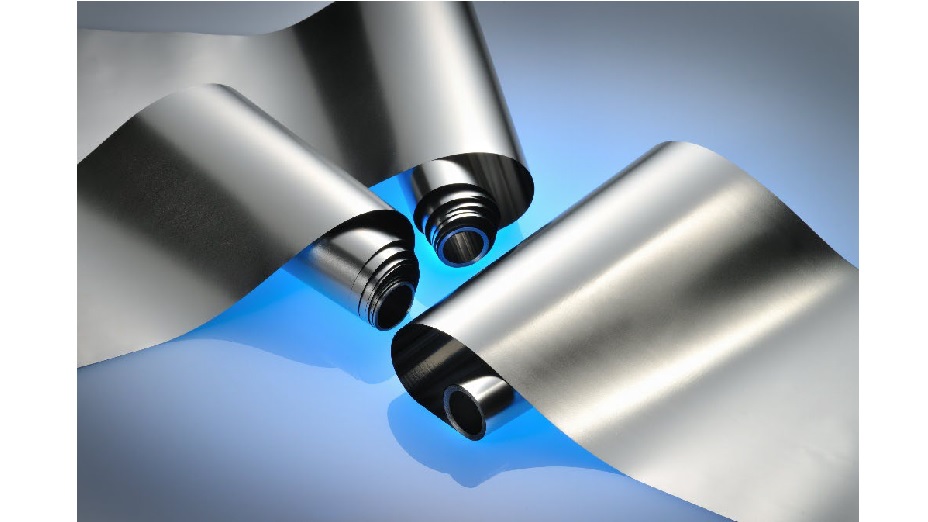
Japan-based Proterial has planned to produce amorphous metal material MetglasTM in joint venture with Shirdi Sai Electricals Ltd (part of SSEL Group). This material, when used in transformer cores, is known to reduce no-load losses.
Greenfield plant
The greenfield plant will be set up by Metglas (India) Pvt Ltd – a 74:26 joint venture between Proterial and Shirdi Sai Electricals Ltd, which was established in June 2025.
The plant, coming up at Tirupati in Andhra Pradesh, will have initial manufacturing of 30,000 tonnes per year. The facility, on which construction began in January 2026 is expected to commission by September this year.
What is MetglasTM?
MetglasTM, an amorphous metal material (specifically an amorphous alloy ribbon), when used as a core material in transformers, can reduce standby power usage (no-load losses) by approximately one third compared with electromagnetic sheets. This enables higher transformer efficiency.
Indian plant
Proterial currently supplies MetglasTM to the Indian market through its plant in Japan. The upcoming plant in Andhra Pradesh is aimed at serving primarily the growth demand in India.
Third plant
For Proterial Group, the Tirupati plant will be the third after those in US and Japan. The US plant, set up in April 1989, is owned by Metglas Inc, a wholly-owned subsidiary of Proterial America Ltd.
The plant in Japan – Metglas Yasugi Works – is part of the Power Electronics Materials Business Unit of Proterial Ltd. Established in 2011, this plant produces Metglas as well as FINEMET® — a nano-sized crystal soft-magnetic material. In fact, Proterial started producing Metglas from this plant in 2007, when it was known as “Yasugi Works”.
Newer alloy
In addition to MetglasTM and FINEMET®, Proterial, in March 2020, developed a new amorphous alloy MaDC-A®, further contributing to improving efficiency of transformers. Proterial is now considered as a leading company in the field of amorphous metal materials, handling everything from R&D to mass production.
At the “core” of the matter
A release by Proterial explained the use of amorphous alloy in transformer cores as follows. Transformers are used for voltage conversions. The voltage can be changed by varying the number of turns in the primary and secondary coils wound around the core inside the transformer. When alternating current flows through the primary coil, a magnetic flux is generated in the core. Electromagnetic induction then generates a voltage in the secondary coil, outputting alternating current. During this process, the core serves as the path for the magnetic flux, and must minimize the loss of transmitted energy. When using an amorphous alloy as a transformer core, amorphous alloy ribbon is layered to form the core.
Since 1910
The history of Proterial dates back to 1910 with the founding of Tobata Foundry Co. This entity, in 1937, was merged with Hitachi Ltd. In 1956, the amorphous metal material-related businesses were hived off into a separate entity called Hitachi Metal Industries Ltd, which was renamed to Proterial Ltd in 2023.
Featured photograph (source: Proterial) shows the amorphous metal material, MetglasTM