

With an order book of Rs.27,000 crore covering 2.8 crore smart meters, Genus Power Infrastructures Ltd is a leading player in the AMISP space under RDSS. Coupled with strong manufacturing capability, self-reliance in technology and innovative financing mechanisms, Genus is set to become a major contributor to India’s vision of installing 25 crore smart meters by FY28. In this exclusive interaction, Jitendra Kumar Agarwal, Joint Managing Director, Genus Power Infrastructures Ltd, says that smart meters are rapidly evolving from standalone devices into core digital infrastructure, and Genus aims to plays a central role in this transition. An interview by Venugopal Pillai.

We learn that Genus Power saw a pickup in execution of AMISP contracts during H2FY26. During FY26 as a whole how many smart meter installations are you expecting to commission?
We have seen strong execution momentum this year, in the AMISP segment. After commissioning around 35 lakh smart meters in H1FY26, the pace has accelerated in H2 as several large RDSS contracts moved into active rollout. The sharp revenue growth in Q2 was largely driven by faster installations across multiple states.
Building on this trajectory, we expect to commission around 80–90 lakh smart meters during FY26. This outlook is reinforced by our manufacturing strength, a healthy order pipeline, and our integrated execution model that covers EPC, system integration, and long-term operations and maintenance.
We understand that the current order book of Genus Power is to the order of Rs.30,000 crore. Can we presume that this largely pertains to smart meter orders as AMISP under RDSS? What is the breakup of the current order book in terms of number of smart meters as AMISP, and that relating to third-party supplies?
That is a fair assessment. As of September 30, 2025, our consolidated order book including all SPVs and GIC Platform stood at Rs.28,758 crore (net of taxes). The overwhelming majority of this pertains to smart metering projects awarded under the RDSS framework, largely structured as AMISP concessions.
Of this, about Rs.27,000 crore corresponds to our own AMISP orders covering about 2.8 crore smart meters. This is in addition to the nearly 80 lakh meters already installed by November 2025. These contracts typically span 8–10 years, offering strong visibility on EPC execution as well as recurring O&M revenues over the lifecycle. Importantly, around 80 per cent of AMISP revenues accrue directly to Genus, underscoring both the quality and sustainability of the order book.
The remaining about Rs.1,700 crore relates to third party meter supplies to other AMISPs or utilities. This balanced mix enables us to sustain near term execution scale while simultaneously building long term, annuity style revenue streams.
Have all the AMISP contracts migrated to the Genus-GIC platform? What about smart metering orders that Genus was executing through wholly-owned subsidiaries before the platform was created? Please discuss.
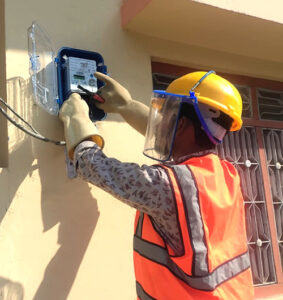

Before the Genus–GIC platform was created, smart metering projects were being executed through Genus’s wholly owned subsidiaries (SPVs) with funding arranged directly by Genus. Following the platform’s establishment, these same projects are now supported by the Genus–GIC platform, even though formal migration of certain AMISP contracts is still awaiting utility approvals. In practice, the platform has already taken over the funding responsibility, ensuring continuity of execution both before and after the formal transfer of SPVs.
At the same time, the Genus-GIC platform will keep exploring new AMISP opportunities, while Genus will continue as the exclusive supplier of smart meters, communication modules, head end systems, meter data management systems, and related services for these projects.
What are the on-ground challenges typically being faced by AMISPs during smart meter rollout?
Smart meter rollouts at scale under AMISP contracts typically face a combination of systemic, operational and behavioural challenges. One of the key on-ground issues is integration of new systems with legacy utility systems to handle smart prepaid meters. Existing legacy systems are not always fully ready to integrate new workflows related to smart prepaid systems. This affects consumer data visualization, billing timelines and handling consumer grievances in timely manner during early stages of deployment. Consumer resistance remains a key challenge in the rollout of smart meters, driven by misinformation and trust-related issues. Other challenges are:
- Prioritization of specific categories of meters—such as new service connections, defective meter replacements, government connections, industrial consumers, and DT meters—over the envisaged mass replacement under the RFP. This selective approach disperses even a large manpower base across scattered tasks, materially reducing per‑team productivity.
- Non availability of timely shutdowns for DT meters
- Non availability or delayed availability of DT cables which are to be provided by the utility
- Elections in a few states
- Unplanned power shutdowns by utilities
- Vast geography, remote terrains, and urban density complicate installation schedules
- Ensuring reliable communication networks
- Delay in L2 level validations
- Mismatch in master data and actual on-ground data
- Mandate of installing check meters (which was not there in RFP), etc.
There are also practical considerations such as synchronising multiple stakeholders, managing approval cycles, and aligning installation pace with utility processes and payment milestones.
We recall that Genus Power had planned to develop an in-house communication module for smart meters to support its AMISP mandates. What is the current status?
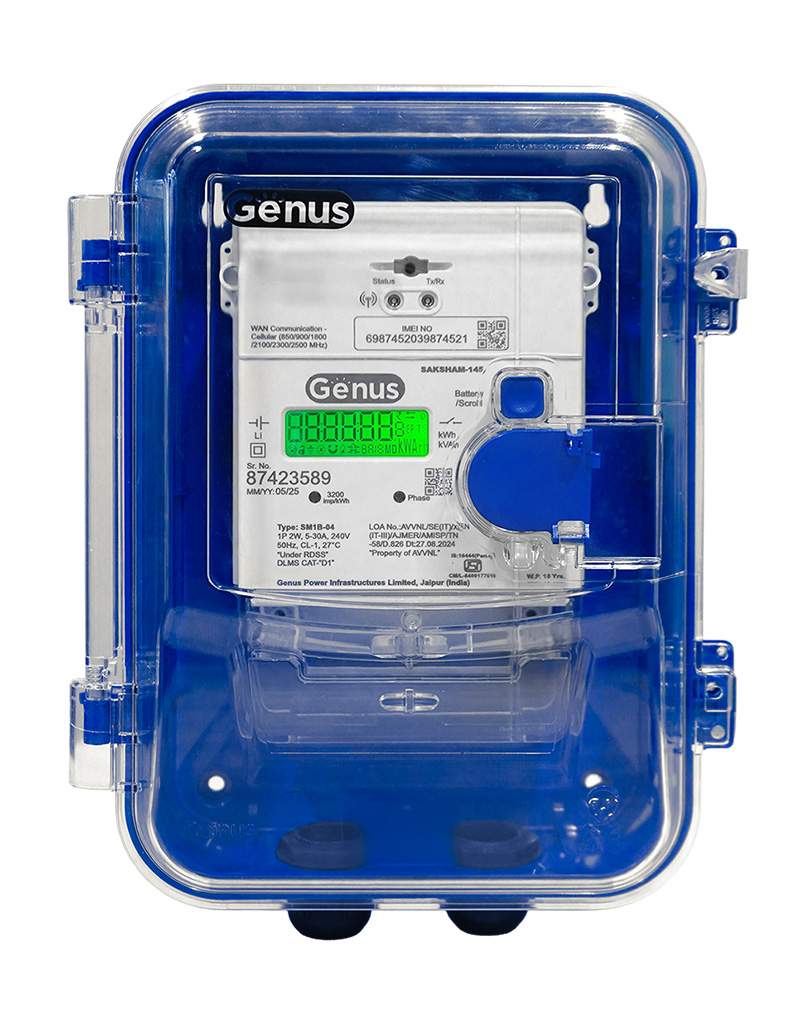

Our indigenously designed, developed and deployed solutions support advanced features such as remote connect/disconnect, event-based alerts, and over-the-air firmware upgrades, all of which are critical for large-scale AMISP deployments. With over 80 lakh smart meters already installed, these technologies have demonstrated strong field performance.
For how many smart meters has Genus Power attained “go live” status, implying commencement of payment by utilities concerned?
As on date, 14 of our AMISP projects, covering nearly 2.20 crore smart meters under respective contracts, have been awarded Operational Go‑Live status. An Operational Go‑Live certificate from the discom authorizes commencement of invoicing. From a business standpoint, each go‑live milestone unlocks recurring O&M revenues, strengthens long‑term cash flow visibility, and reflects successful integration of utility systems with HES and MDMS platforms, ensuring readiness for large‑scale operations.
After Operational Go‑Live, subsequent invoicing to the discom is based on the number of meters that successfully pass the Site Acceptance Tests (SAT). We generally conduct SATs monthly with the respective discoms for batches of meters. As each batch clears SAT, those meters become eligible for raising both capex and opex invoices on the discom.
We have installed about 80 lakh meters so far and these are fully integrated with utility systems, already enabling revenue generation for discoms. Our smart metering solutions enhance efficiency in utility operations by streamlining billing execution, payments, and collections on a day-to-day basis.

Is Genus envisaging any capacity expansion with respect to smart meters, from its current level of 16 million meters per year?
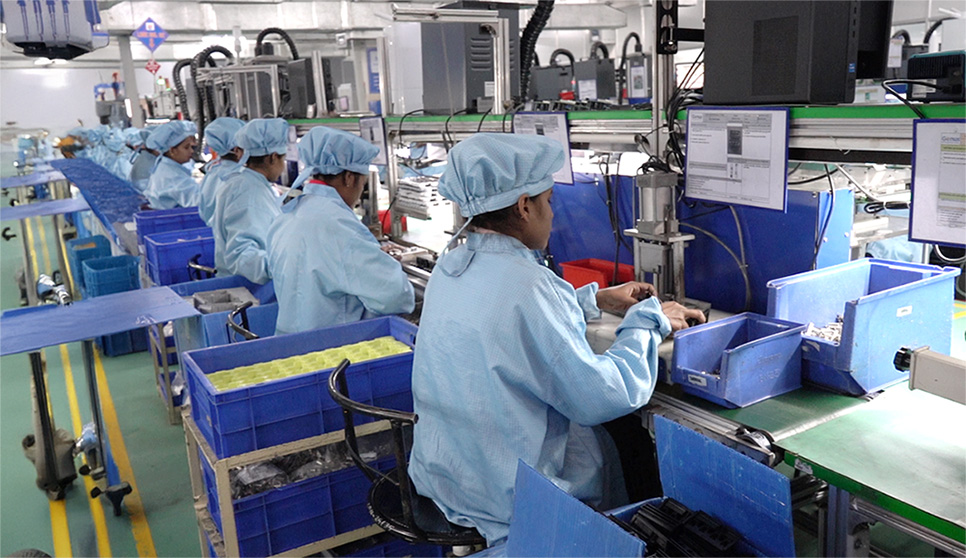
Yes, we first successfully expanded smart meter capacity from 11 million to 16 million meters annually, achieved through commissioning our Guwahati (Assam) plant with commercial production starting December 2024. Current operational capacity now stands at approximately 18 million meters per year, running at healthy utilization levels across all facilities.
In H1FY26 alone, Genus manufactured over 9 million meters, with production scaling up to about 50,000 meters per day across our integrated facilities in Haridwar, Jaipur, and the newly commissioned Guwahati plant. Further capacity expansions remain under active evaluation, supported by strong order book visibility and the momentum of RDSS rollout targets, ensuring Genus maintains its leading role in India’s nationwide smart metering transformation.
What is the latest update on the 3-crore smart metering tender in Tamil Nadu after the original bidding round was called off? Is Genus planning to bid for other upcoming tenders such as those in Delhi , for instance?
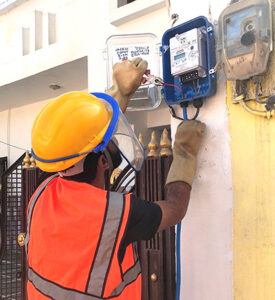

Beyond Tamil Nadu, we continue to actively assess and prepare for upcoming smart metering opportunities across key markets, including Delhi. The earlier tenders floated by BSES in Delhi have been called off and are expected to be retendered soon.
Our bidding strategy remains selective and return-focused, prioritising projects where our integrated AMISP model– combining scale manufacturing, indigenous technology, deployment expertise, and annuity-led O&M revenues — provides strong execution certainty and long-term cash flow visibility. Backed by a proven execution track record and a robust order book, Genus is well positioned to support large scale deployments under the RDSS framework and beyond.
How many smart meters under RDSS has Genus Power targeted to install during FY27 and what would be cumulative achievement by March 31, 2027? What would be the broad geographic distribution of smart meter installations by the given date?
Genus Power targets installing 1.1-1.2 crore smart meters under RDSS for FY27, building momentum from the planned 80-90 lakh installations for FY26. By March 31, 2027, cumulative deployment should reach approximately 2.3-2.5 crore smart meters, solidifying our leadership position in India’s largest AMI rollout.
Geographic distribution spans a wide footprint across North India — including major deployments in Uttar Pradesh, Uttarakhand, and Jammu; East India — covering Assam, Bihar, and Jharkhand; and West India — with projects in Rajasthan, Maharashtra, and Chhattisgarh.
Our diversified AMISP order book across multiple discoms and SPVs nationwide reflects our pan India presence. Backed by an annual manufacturing capacity of 18 million meters, the Genus–GIC platform partnership, and a 15,500 strong execution team, we are well positioned to deliver against India’s ambitious 25 crore (250 million) RDSS target by FY28, while ensuring balanced regional growth.

How do you see the road ahead for Genus Power with respect to its smart metering business, given the huge impetus being provided by RDSS?
The road ahead for Genus Power’s smart metering business is both strong and strategic. The RDSS program has established a clear, long term framework for transforming India’s power distribution sector, with smart metering at the core of this reform. With large-scale tenders, multi-year AMISP contracts, and a growing emphasis on prepaid and time-of-use metering, the opportunity is structural rather than cyclical, ensuring sustained growth visibility.
For Genus, this translates into sustained execution visibility and the ability to build annuity-style revenues through long-term operations and maintenance. Beyond volumes, we place strong emphasis on quality of execution, system integration, and consumer trust — areas where experience and scale truly matter. As utilities increasingly focus on loss reduction, billing efficiency, and data driven decision making, smart meters will continue to evolve from standalone devices into core digital infrastructure.
We see Genus playing a central role in this transition, supporting utilities as long term partners in India’s journey towards a more efficient, transparent, and future ready power ecosystem.
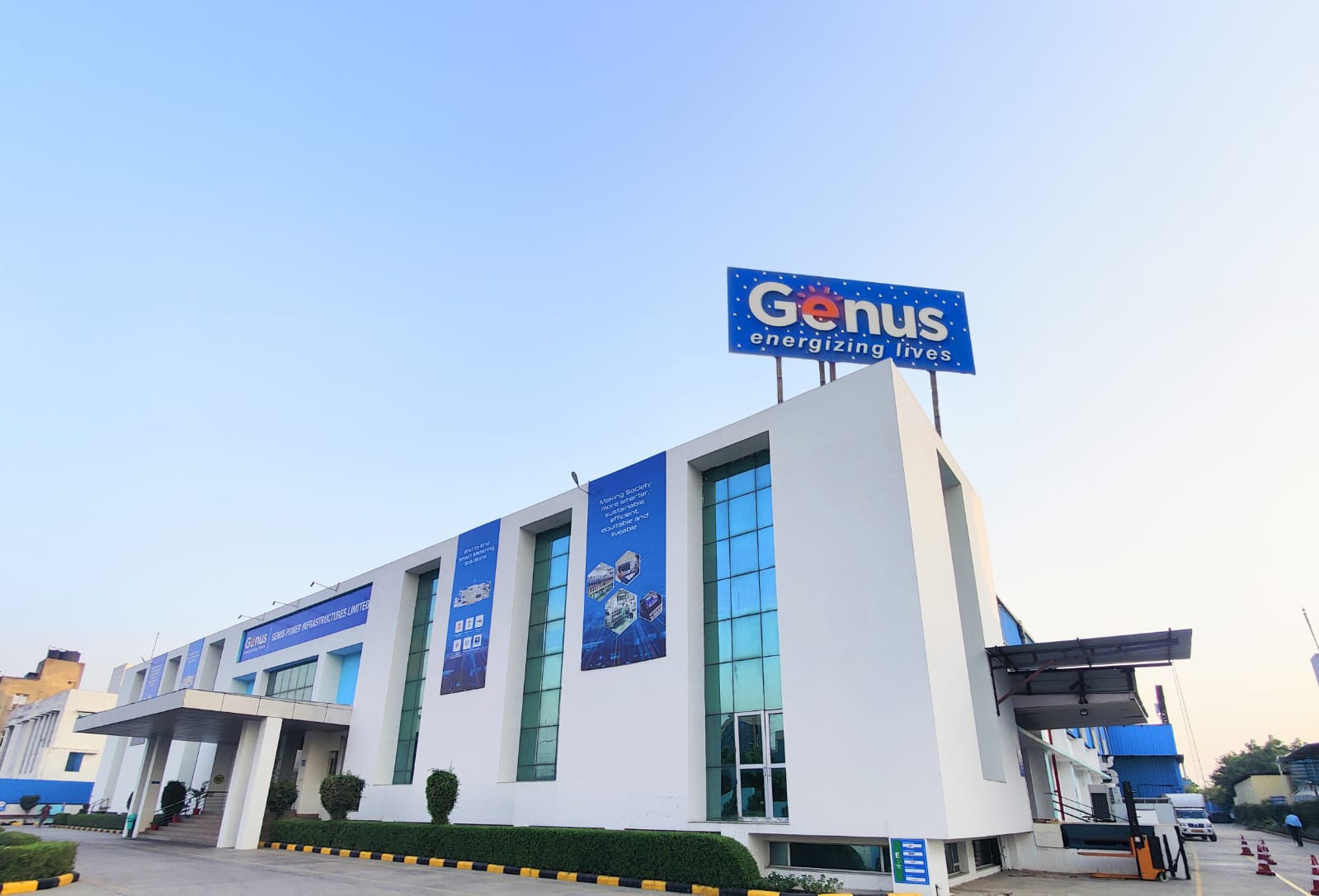
Note: All industrial photographs relate to facilities, products and projects of Genus Power Infrastructures Ltd