

GRID-INDIA highlights coordination challenges in multiple-party ISTS-TBCB projects
- July 27, 2026
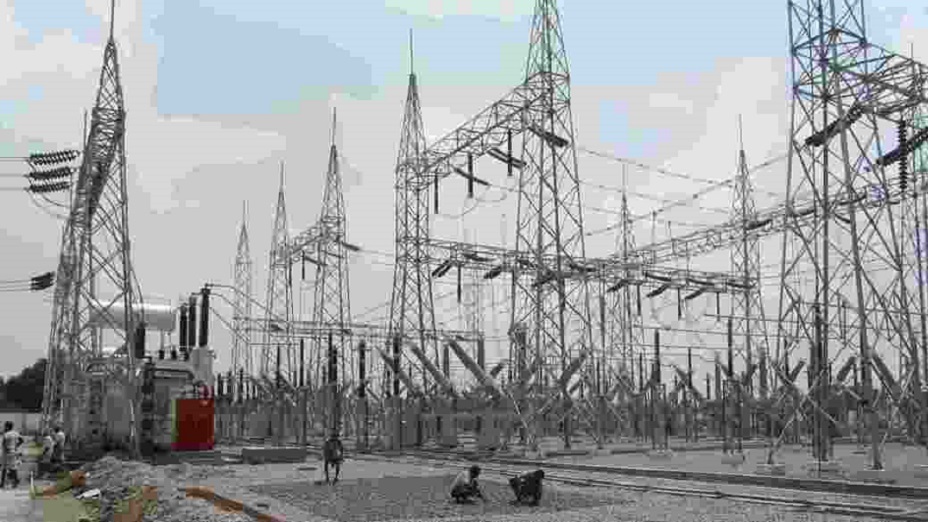
Grid Controller of India Ltd (GRID-INDIA) has highlighted challenges with respect to coordination where multiple parties are involved in the same transmission asset of ISTS-TBCB projects.
In the most recent meeting of National Committee on Transmission, GRID-INDIA highlighted that coordination challenges are being encountered during the construction and testing phase where multiple transmission service providers (licensees) are involved with the same substation.
A case in point was the Fatehgarh-III substation in Rajasthan where incomplete commissioning of diameter and delay in commissioning of certain elements are being observed due to coordination issues.
According to information available with tndindia.com, there are at least two developers –Resonia Ltd and Apraava Energy – that are involved with the Fatehgarh-III substation, albeit through independent ISTS-TBCB projects.
The solution
During the NCT meeting, it was suggested that a standard operating procedure (SOP) may be prepared with roles, responsibilities, coordination mechanisms, and commissioning protocols for all transmission licensees within a pooling station.
Suitable commercial mechanism may also be included in the SOP for ensuring timely coordination. The SOP shall facilitate seamless execution and help avoid coordination issues during the construction and commissioning of multi-transmission licensee TBCB projects, it was felt.
Low fault level
On another matter, GRID-INDIA also pointed out that low fault level and short circuit ratio (SCR) are being observed under several pooling stations in Rajasthan and Gujarat. These pooling substations, which are being developed in the 2029-30 timeframe, include Ramgarh-I, Bhadla-III, Barmer-II, Fatehgarh-IV, Bikaner-II, Khavda-I, II and III, Lakadia-II, Bhuj-II and Jam Khambaliya.
Suitable corrective measures such as planning of synchronous condensers or any other suitable technical device may be considered in these complexes on priority, GRID-INDIA suggested.
GRID-INDIA also highlighted that that through requirement of grid-forming inverters in BESS above 50 MW capacity has been notified in CEA Construction Standards, 2026, the necessary technical guidelines governing the performance requirements of grid forming inverters should also be issued.
Also read: GRID-INDIA conferred “Miniratna” status
Featured photograph is for representation only