

Posts by T&D India

Sterlite Power’s OPGW facility accredited

Sterlite Power’s Optical Ground Wire (OPGW) facility in Silvassa has been granted a prestigious accreditation by National Accreditation Board for Testing and Calibration Laboratories (NABL). This is for the first time that an OPGW laboratory in India has Read more

Praveer Sinha is new CEO & MD of Tata Power

Tata Power has announced the appointment of Praveer Sinha as the firm’s new Chief Executive Officer and Managing Director with effect from 1st May 2018 to Read more

Sterlite Power clinches Goa-Tamnar project

Sterlite Power has successfully acquired Goa-Tamnar Transmission Project Ltd, under the tariff-based competitive bidding route. The project will deliver an incremental 400kV feed to Goa and scale up the transmission network for power evacuation from generation projects pooled at Read more

Edina EESL

EESL acquires UK-based trigeneration company EDINA

Energy Efficiency Services Ltd has announced its acquisition of Edina, a leading supplier, installer and maintenance provider for combined heat and power (CHP), gas, and diesel power generation solutions in the UK. The £55-million (Rs.493 crore) acquisition was effected Read more

ELECRAMA

ELECRAMA 2018 generates business enquiries exceeding $1 bln

The 13th edition of ELECRAMA that was held during March 10-14, 2018, at the India Expo Centre at Greater Noida, recorded footfalls of over 2.98 lakh, a release industry body and organizer IEEMA said. Over 1,200 exhibitors showcased Read more
Waaree

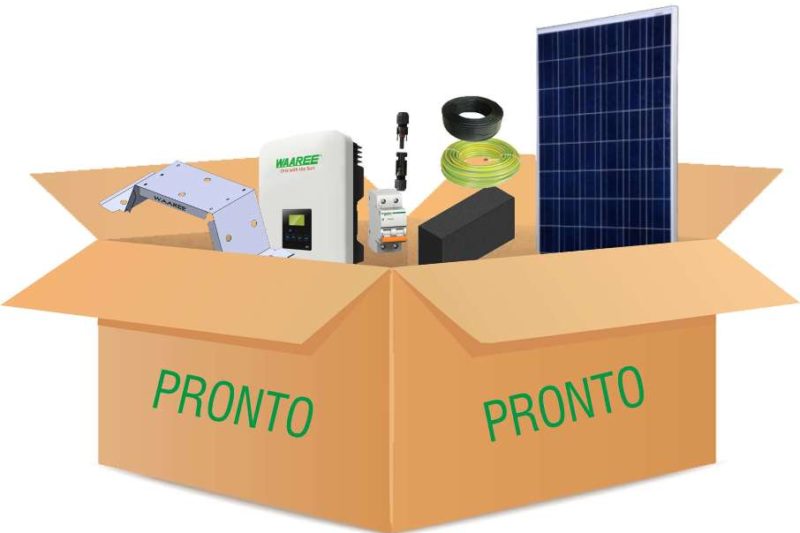
DIY solar kit from Waaree Energies

Waaree Energies Ltd has announced the launch of the first of its kind do-it-yourself solar kit – Pronto. Available at all Waaree Solar Experience Centres, this revolutionary product is set to transform the renewable energy sector in the Read more

Devtosh Chaturvedi FEDCO

Devtosh Chaturvedi, MD, Feedback Energy Distribution Co Pvt Ltd (FEDCO)

There is an urgent need to re-evaluate the model contours of private sector participation in the power distribution space. The existing IBDF (input-based distribution franchisee) model was conceptualized about 12 years back with the realities that were relevant Read more
IEEMA

Shreegopal Kabra, President, IEEMA

Over the years, the Indian electrical equipment industry has developed a diversified, mature and strong manufacturing base, with robust supply chain, and a rugged performance design of products. There is also an emerging global reputation of Indian electrical Read more

Ajithkumar Kesavan, Director Marketing & Sales, Lucy Electric India

India’s private discoms have been at the forefront of recent smart grid development. Both wholly-owned and public-private discom consortiums, have invested in advanced metering infrastructure (AMI), IT, and automation solutions to reduce network losses and improve grid reliability. Read more

Millions of people lose access to electricity every year due to natural disasters. Even in India, floods extreme temperatures and other natural issues along with antiquated energy infrastructure in places often lead to power outages and deprives millions of people access to electricity. These frequent catastrophic events remind us of the inherent weakness of energy infrastructure, usually built with 20th century technology and around 20th century production models. For those unaffected by these calamities, it’s almost impossible to imagine our lives without electricity. Electrical power is part of the world’s critical infrastructure and at the heart of both economic development and social well-being. We rely on it to support needs that vary across the use spectrum from running household electronics to controlling traffic signals to protecting national security. Unfortunately, though, the electricity supply is undependable and widespread blackouts are becoming more frequent and severe occurrences. One of the largest threats to a reliable power supply, particularly across India and neighbouring countries, is aging infrastructure. Globally, existing infrastructure isn’t adequate for meeting the swell in energy demand, which is expected to increase by 48 percent over the next 30 years. Nor does it have the capabilities to effectively integrate the growing area of distributed energy resources (DERs) like wind and solar into the power mix. For an energy management system to remain secure and reliable, the electrical grid must be resilient and responsive with a flexible architecture so that new technologies can be easily integrated. Electric utilities’ infrastructure improvements rely heavily on technology such as intelligent electronics, advanced analytics, and connected devices to better manage assets and predict and prevent failures. Modernising and digitising the grid is a growth opportunity for utilities because it accommodates increasing customer demand and takes advantage of DERs’ ready supply of power. This boosts reliability, adds sustainability, improves efficiency and security, and enhances performance. It’s clear that both utilities and energy consumers want to mitigate service interruptions and protect themselves from outages as well as improve their sustainability. Microgrids are one answer for this challenge. They can play a major role in improving resiliency, reliability, and security for protecting businesses and communities from costly power outages by providing uninterruptible backup power. They’re often a smart, economical solution for shoring up infrastructure because they can take advantage of existing DER to provide dependable, flexible energy without requiring the expensive replacement of electrical equipment. Microgrids are also a versatile power option because they can operate either independently or in parallel with a grid. And, while some facilities use them primarily to protect themselves from outages, microgrids have also been embraced as a way to bring power to remote communities that could not otherwise connect to the electrical grid. As the abundance of blackouts over the past decade has made clear, utilities continue to make changes to ensure secure, reliable power in an uncertain environment. Adding microgrids and initiating a digital transformation are substantial steps toward reaching these goals.

Reduce Power Outages by Unleashing the Digital Power Distribution Grid

Millions of people lose access to electricity every year due to natural disasters. Even in India, floods extreme temperatures and other natural issues along with antiquated energy infrastructure in places often lead to power outages and deprives millions Read more