

The newly-released Draft National Electricity Policy – 2026 has proposed to phase out monopoly in the power distribution business.
This would be achieved by allowing multiple players. Besides, public-private partnership (PPP) and stock exchange listing of distribution utilities will be encouraged, the draft NEP said.
At present, supply areas are coterminous with distribution areas. However, with a view to promoting competition, state electricity regulatory commissions (SERC) may allow multiple licensees in the same area.
For achieving loss reduction, the NEP suggests that distribution infrastructure may be strengthened with new technologies so as to reduce technical losses and curb power theft. SERCs shall ensure that tariffs are cost-effective. It has also proposed that energy audits and energy accounting are performed in a time-bound manner.
On the digitalization front, NEP states that GIS-based asset mapping and consumer indexing will be implemented for better service and audits. Efforts should be made to install substation automation equipment in a phased manner. Smart meters will be implemented in a phased manner to enable real-time energy management, loss reduction, and demand side management. All Government establishments should immediately switch over to prepaid metering, followed by C&I consumers beyond specified demand.
With respect to ensuring quality of supply NEP notes that SERCs shall ensure strict monitoring of the performance of distribution licensees. N-1 redundancy shall be ensured at the distribution transformer level in urban areas with a population exceeding 10 lakh, and at the 11kV feeder level in all other areas by 2032. Undergrounding of distribution network in congested areas of such urban centres should also be undertaken.
Time-of-Use (ToU) tariffs, also known as Time-of-Day (ToD) tariffs, will be implemented by SERCs starting with C&I consumers. The draft policy also suggests that distribution utilities shall leverage technology to strengthen consumer engagement and service delivery. Demand response programmes will be promoted by the distribution licensees. The Central and State Commissions should evolve business models and create necessary regulatory framework for demand response including aggregation of the participants.
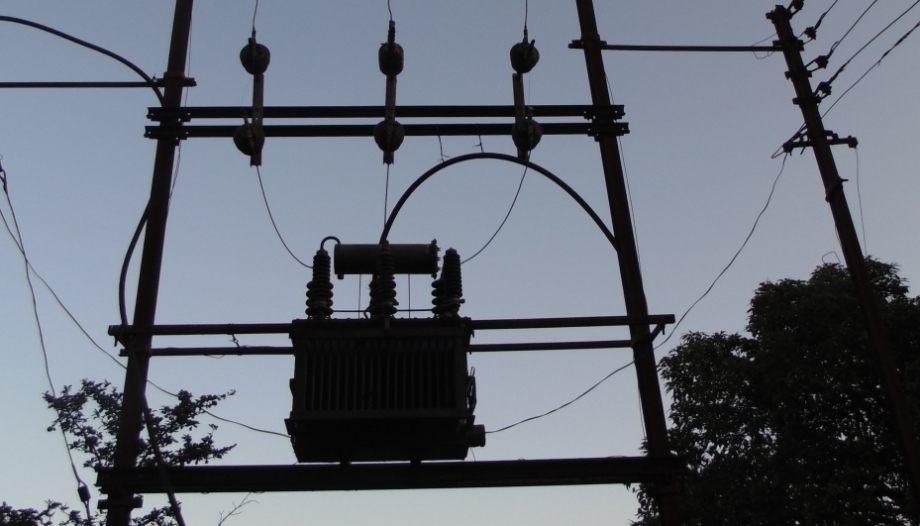
Featured photograph is for representation only