

IndiGrid Infrastructure Trust (IndiGrid), India’s first power sector investment infrastructure trust (InvIT), has recently witnessed very significant developments such as its entry in the battery energy storage system (BESS) space, and the launch of Energrid – a co-promoted platform for participating in upcoming greenfield projects. In this exclusive interaction, Harsh Shah, Managing Director, IndiGrid, explains how the new investment platform will help IndiGrid prioritise cash-flow visibility and distribution stability. Shah asserts that IndiGrid’s focus will remain on disciplined capital deployment, portfolio resilience, and predictable distributions – an approach that positions IndiGrid to support India’s energy transition while delivering sustainable value to stakeholders. An interaction by Venugopal Pillai.

IndiGrid has been actively participating in greenfield TBCB opportunities in recent years. How has the organisation structured itself to pursue these projects while maintaining capital discipline?
IndiGrid’s growth strategy is aligned with India’s energy transition. As renewable capacity expands, enabling infrastructure – particularly transmission networks and grid-scale battery energy storage – has become essential to ensure reliable evacuation, grid stability, and round-the-clock power availability.
At the current stage of the transition, a significant portion of the opportunity lies in greenfield development. New inter-regional corridors, renewable evacuation systems, and storage projects require fresh infrastructure creation, making participation in the greenfield space important for long-term relevance.
At the same time, as an InvIT, IndiGrid is a yield-oriented platform with a fiduciary responsibility to prioritise cash-flow visibility and distribution stability. To balance these objectives, we have adopted a platform-based approach through EnerGrid. EnerGrid focuses on developing transmission and battery storage assets while ring-fencing development risk. Assets are considered for acquisition by IndiGrid only once they reach the required level of maturity and risk mitigation, ensuring a disciplined balance between growth and prudence.
IndiGrid recently has signed definitive agreements to acquire at least two operational interstate transmission system schemes. Tell us more. When do you expect to complete the transactions? Has IndiGrid lined up more transmission assets for acquisition?
Over the last couple of quarters, IndiGrid has announced the acquisition of three operational assets – two transmission projects, Koppal–Narendra Transmission Ltd (KNTL) and Gadag Transmission Ltd (GTL), and one solar asset, ReNew Solar Aayan Private Ltd (RSAPL). The acquisitions of KNTL and RSAPL have been successfully completed and both assets are now part of IndiGrid’s operating portfolio. The closing procedures for the GTL acquisition are currently underway, and we expect the transaction to be completed within this quarter.
Brownfield acquisitions continue to be a key pillar of IndiGrid’s growth strategy. Operational assets provide immediate cash-flow visibility and can be integrated efficiently into the InvIT structure. We continue to evaluate accretive acquisition opportunities on an ongoing basis and only once definitive agreements are executed, we would be able to comment.
Please discuss IndiGrid’s agreement with Techno Electric with respect to NERES XVI Power Transmission. Will this also be extended to other under-construction transmission schemes of Techno, such as NERGS-I?
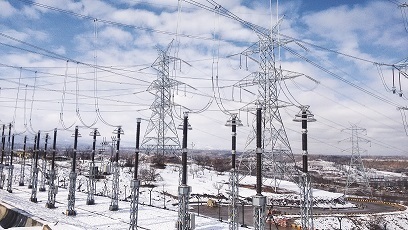 IndiGrid has entered into definitive agreements with Techno Electric & Engineering Company Ltd to acquire NERES XVI Power Transmission Ltd (NPTL), an interstate transmission project, post commissioning and receipt of requisite approvals. Under this arrangement, Techno Electric is responsible for end-to-end EPC execution and project management, while IndiGrid will acquire the asset post-COD at a pre-agreed value.
The project is located close to IndiGrid’s existing assets in the northeast and aligns well with our approach of partnering with experienced developers to secure high-quality assets once they achieve operational readiness.
All discussions with developers are undertaken on an asset-specific basis. The current agreement is limited to NPTL, and any potential transaction involving other projects in Techno Electric’s portfolio would be subject to separate evaluation and commercial arrangements.
IndiGrid currently has multiple under-construction projects across transmission and battery energy storage. What is the current status of these projects and by when do we expect them to achieve commissioning? On a broad strategy level, how does the organisation manage execution and commissioning risk across these projects?
IndiGrid currently has six under-construction projects – four transmission projects and two battery energy storage projects – which are progressing well. These projects have staggered commissioning timelines. The Gujarat BESS project is expected to be commissioned within the current quarter, while the Ratle–Kiru transmission project in Jammu & Kashmir has a scheduled COD of 2027.
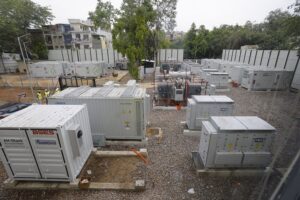 Execution and commissioning risk is managed through disciplined project governance, careful partner selection, and close monitoring of milestones. We place strong emphasis on upfront planning, proactive stakeholder engagement, and conservative scheduling to manage on-ground complexities.
In addition, our under-construction projects are structured through partnerships with experienced EPC players and long-term institutional investors such as British International Investment and Norfund, who have invested directly at the project level. This approach strengthens governance, enhances oversight, and meaningfully reduces construction-phase risk. The creation of EnerGrid as a dedicated development platform further supports this strategy by ensuring that development and construction risk is appropriately minimised for the InvIT.
Overall, our focus remains on timely commissioning while ensuring long-term reliability and performance.
We notice good traction in states like Maharashtra and Karnataka deploying the TBCB modality for developing their intrastate grids. Does the intrastate network appeal to IndiGrid?
Intrastate TBCB expands the opportunity set for transmission development, but it also comes with state-specific considerations such as policy continuity, counterparty strength, and execution complexity.
IndiGrid remains open to intrastate opportunities but will participate selectively based on project specific risks, counter-party track record, payment security mechanism etc. Each project is evaluated on its own merits to ensure alignment with our risk-return framework and fiduciary responsibilities as an InvIT. Prudence, rather than scale alone, will guide our approach.
The developer base for TBCB projects is expanding, including increasing participation from EPC contractors, alongside aggressive e-reverse auction dynamics. How do you assess the current level of competition in transmission auctions, and are tariffs in some cases being pushed to unsustainable levels?
The expanding developer base reflects the growing importance of transmission infrastructure and has increased competition and efficiency in the sector.
However, sustainability of tariffs is critical. Aggressive bidding can, in some cases, lead to tariffs that do not fully reflect the long-term responsibilities of operating and maintaining transmission assets over several decades. These assets require consistently high availability and ongoing investment.
As a long-term owner of grid infrastructure, IndiGrid remains disciplined in its bidding approach. Capital discipline and long-term asset performance take precedence over winning bids at any cost, which we believe is essential for the long-term health of the sector.
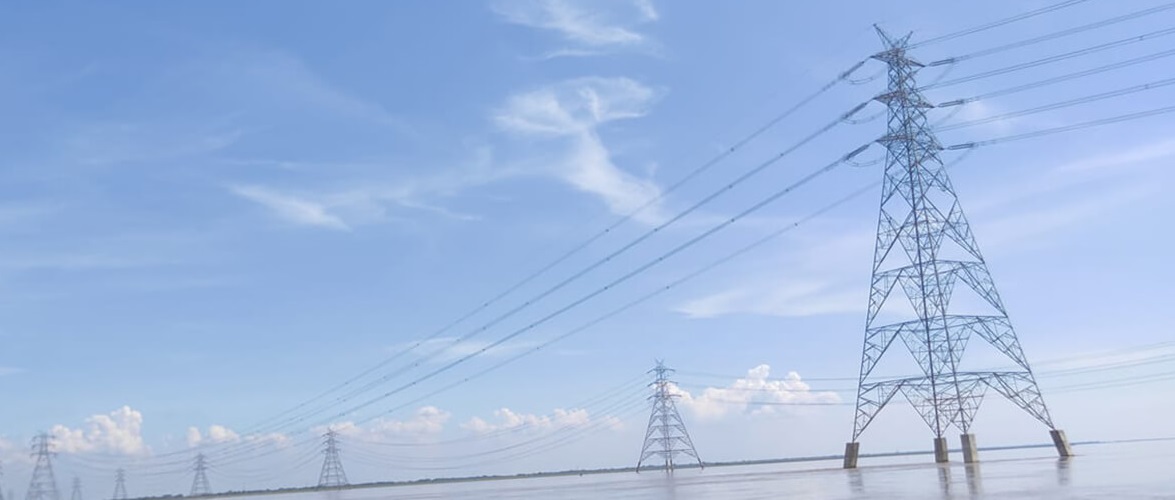
The power ministry has been trying to address RoW concerns of power transmission developers through policy measures governing land compensation. Do you see any improvement in the situation in recent years?
There has been tangible progress in recent years, particularly through the standardisation of compensation frameworks and greater policy recognition of right-of-way (RoW) as a systemic issue. These measures have helped improve transparency and predictability in several regions.
RoW remains an area that requires continued coordination given the scale and geographic diversity of India’s transmission network. On-ground implementation varies across states and local jurisdictions, and outcomes depend on close collaboration between central agencies, state governments, district authorities, and local communities. In densely populated or environmentally sensitive regions, this collaborative approach becomes even more important.
As transmission build-out accelerates to support renewable integration, timely and consistent RoW resolution will continue to play a critical role.
As India accelerates its energy transition, transmission and enabling infrastructure are becoming increasingly critical. How do you see IndiGrid’s portfolio evolving over the medium term, and what will be the key drivers of its growth strategy?
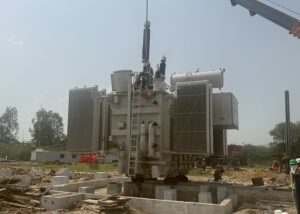 India’s energy transition is reshaping the role of transmission infrastructure – from power evacuation to enabling renewable integration, grid resilience, and system flexibility. IndiGrid’s portfolio evolution will be guided by a disciplined three-pronged growth strategy.
First, acquisition of operational projects across transmission, solar, BESS will remain a core pillar. Second, greenfield development will be pursued through EnerGrid, allowing participation in new transmission and battery storage projects while managing development risk appropriately. Third, over time, asset monetisation by transmission utilities could emerge as an additional opportunity, which would be evaluated selectively.
Across all three avenues, the focus will remain on disciplined capital deployment, portfolio resilience, and predictable distributions. This approach positions IndiGrid to support India’s energy transition while delivering sustainable value to stakeholders.
Also read: IndiGrid plans capex of nearly Rs.7,500 crore across power transmission and BESS
All project photographs relate to IndiGrid’s commissioned and under-construction projects