

Developing a robust domestic supply chain is critical to achieving India’s energy transition goals: TARIL
- June 18, 2026
Transformers & Rectifiers (India) Ltd [TARIL] is among India’s leading homegrown transformer manufacturers, both with respect to manufacturing capacity and diversity of product range. In this exclusive interaction, Satyen Mamtora, Managing Director & Chief Executive Officer, Transformers & Rectifiers (India) Ltd, shares his views on the current unprecedented surge in transformer demand, and how the industry, including TARIL, is gearing up to the address the situation. Mamtora pertinently observes that while the demand-supply imbalance reflects unparalleled growth in the power transmission sector, it also presents an opportunity to build a stronger, more resilient, and globally-competitive power equipment ecosystem.
 What is your overall view on the long-lead times that EPC contractors/transmission service providers are facing with respect to EHV transformers (400kV and 765kV)?
India is currently witnessing unprecedented growth in power transmission infrastructure. The rapid expansion of renewable energy projects, green hydrogen initiatives, data centres, and industrial activity is creating significant need for new transmission networks and transformation capacity. The Central Electricity Authority’s vision of integrating more than 900 GW of non-fossil fuel capacity by 2035-36 further underscores the scale of infrastructure that will be required.
As a result, demand for 400kV and 765kV transformers has increased substantially over the past few years. The industry is working hard to keep pace, but demand has grown much faster than manufacturing and testing capacities. In FY25 alone, India added over 86,000 MVA of transformation capacity, reflecting the speed at which the grid is expanding.
Naturally, this has led to longer lead times compared to what utilities were accustomed to till a few years ago. Manufacturers are also dealing with supply-chain challenges, longer procurement cycles for critical materials and components, and limited availability of high-voltage testing facilities. These are not India-specific issues; similar trends are being seen globally as countries accelerate investments in clean energy, electrification, and grid modernization.
The industry has already begun expanding manufacturing capacity and investing in additional testing infrastructure. However, in the near term, demand is expected to remain strong, which means lead times for EHV transformers are likely to stay elevated until new capacities come on stream.
“Across the industry, several manufacturers are announcing significant capacity expansion plans, reflecting the confidence the sector has in India’s long-term transmission and energy transition story.”
How is your company working towards reducing the lead time via capacity expansion, reducing the production cycle time, etc.?
At TARIL, we anticipated this demand cycle well in advance and took proactive steps to build capacity ahead of the market. Over the last two years, we have doubled our manufacturing capacity to approximately 33,000 MVA and are on a clear roadmap to scale it further to 75,000 MVA.
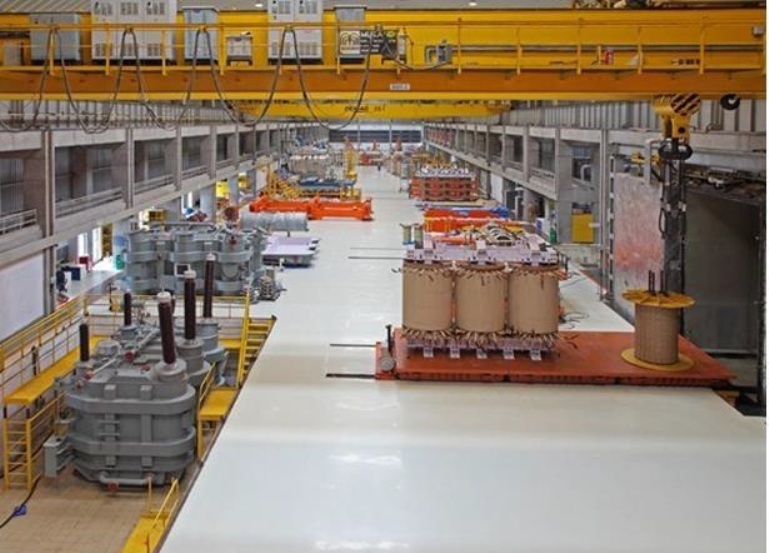 However, addressing longer lead times is not just about adding capacity. We are equally focused on improving operational efficiency across our manufacturing processes. Through greater automation, digital production planning, and enhanced material management, we are reducing manufacturing cycle times and improving throughput. Activities that were previously carried out sequentially are increasingly being executed in parallel through better workflow integration, helping us deliver projects more efficiently.
We are also working closely with our supplier ecosystem to ensure the timely availability of critical raw materials and components, which remains an important factor in maintaining delivery schedules in the current market environment.
In parallel, we continue to invest in people, engineering capabilities, and process excellence to ensure that growth is sustainable and aligned with evolving customer requirements.
Across the industry, several manufacturers are announcing significant capacity expansion plans, reflecting the confidence the sector has in India’s long-term transmission and energy transition story.
While demand is expected to remain strong for the foreseeable future, these investments by both TARIL and the broader industry will play an important role in improving capacity availability, enhancing supply resilience, and supporting the country’s ambitious power infrastructure goals.
“Going forward, investment in testing infrastructure will be just as important as investment in manufacturing capacity.”
We understand that CEA recently made it mandatory for 400kV transformers to have short-circuit test certification. Most manufacturers don’t have in-house short-circuit test facilities and have to rely on external labs. What is your view?
From a grid reliability and system security perspective, we believe this is a positive and necessary step. As India’s power network expands and integrates larger volumes of renewable energy, ensuring the robustness and reliability of critical equipment becomes increasingly important. Short-circuit testing provides assurance that transformers can withstand fault conditions and continue to operate safely and reliably under demanding grid environments.
That said, the industry also needs to consider the practical aspects of implementation. At present, the availability of high-power short-circuit testing facilities in India is limited, and manufacturers often have to compete for testing slots. As demand for EHV equipment continues to grow and certification requirements become more stringent, testing infrastructure could emerge as a key constraint if capacity does not expand at a similar pace.
The objective of higher quality and reliability standards is absolutely the right one, and the industry fully supports that direction. However, it is equally important that adequate testing infrastructure is developed in parallel so that project timelines are not adversely impacted.
Going forward, investment in testing infrastructure will be just as important as investment in manufacturing capacity. Quality, reliability, and speed of execution must grow together to support India’s ambitious transmission expansion plans.
This also presents an opportunity for greater collaboration between industry, testing institutions, and policymakers to build a stronger ecosystem that can support the next phase of India’s power sector growth.
“Greater domestic sourcing can significantly reduce exposure to global logistics disruptions, currency fluctuations, and extended shipping timelines. It also enables faster response times and greater flexibility in meeting customer requirements.”
How is your company working towards achieving backward integration so as to reduce production time and lower domestic/import dependency?
Backward integration and localisation have become increasingly important priorities for the industry over the last few years. The pandemic, geopolitical developments, and global supply-chain disruptions highlighted the risks associated with excessive dependence on a limited supplier base or imported components.
 At TARIL, we are taking a multi-pronged approach to strengthen supply-chain resilience. This includes increasing localisation levels, deepening partnerships with domestic vendors, and qualifying alternate suppliers for critical components. Our objective is not only to reduce import dependence but also to improve supply security, shorten procurement cycles, and enhance delivery predictability for our customers.
We are also working closely with suppliers to support capability development and encourage greater domestic manufacturing of specialised components that have traditionally relied on imports. Building a stronger local ecosystem is a long-term process, but it is essential for creating a more resilient and self-reliant industry.
Greater domestic sourcing can significantly reduce exposure to global logistics disruptions, currency fluctuations, and extended shipping timelines. It also enables faster response times and greater flexibility in meeting customer requirements.
From a broader perspective, localisation is aligned with India’s vision of building globally competitive manufacturing capabilities under the Make in India initiative. As the transmission sector continues to expand, developing a robust domestic supply chain will be critical to supporting the country’s energy transition and infrastructure goals.
Ultimately, a stronger local ecosystem benefits the entire value chain, from manufacturers and suppliers to EPC contractors, utilities, and end consumers, by improving reliability, reducing risks, and enabling faster project execution.
The government is reportedly contemplating lifting the ban on Chinese power equipment, including transformers, that was imposed since 2020. What is your reaction?
India’s power transmission infrastructure is a strategic national asset, and policy decisions in this sector must carefully balance immediate project requirements with the country’s long-term industrial and energy security objectives.
Over the past several years, domestic manufacturers have made significant investments in capacity expansion, technology upgrades, quality systems, and advanced manufacturing capabilities to support India’s rapidly growing transmission needs. These investments reflect the industry’s confidence in the country’s long-term growth trajectory and its commitment to building globally competitive manufacturing capabilities.
At the same time, it is important that power transmission projects are executed on schedule to support economic growth, renewable energy integration, and rising power demand. Therefore, policy frameworks should seek to strike the right balance between ensuring timely availability of equipment and strengthening domestic manufacturing capabilities.
A strong domestic manufacturing ecosystem delivers benefits that extend beyond production capacity. It contributes to technology development, employment generation, supply-chain resilience, and greater self-reliance in critical infrastructure sectors.
Going forward, a stable and predictable policy environment will be important to encourage continued investments in manufacturing, innovation, and capacity creation. This will help ensure that India is not only able to meet its own infrastructure requirements but also emerges as a globally competitive hub for power equipment manufacturing.
Ultimately, a balanced approach that prioritises quality, reliability, security, and long-term value creation will be in the best interest of both the sector and the country’s broader development goals.
“As manufacturing capacity increases across the industry, testing capabilities must grow in parallel to avoid creating bottlenecks in project execution.”
Do you have any policy recommendation to alleviate the transformer shortage issue faced by EPC contractors and transmission service providers?
Addressing the current transformer supply-demand imbalance will require coordinated action across the entire ecosystem. Given the scale of India’s planned transmission expansion, this is not a challenge that any single stakeholder can solve alone.
First, there is a need to expand accredited testing infrastructure, particularly for EHV equipment. As manufacturing capacity increases across the industry, testing capabilities must grow in parallel to avoid creating bottlenecks in project execution.
 Second, greater visibility into future procurement pipelines can help manufacturers plan investments more effectively. Long-term planning initiatives by organizations such as the Central Electricity Authority have already played an important role in providing demand visibility and enabling manufacturers to align capacity expansion plans with anticipated market requirements.
Third, faster project planning and tendering processes can help create a more predictable demand environment, allowing manufacturers and suppliers to make long-term investments with greater confidence.
Policy support for domestic manufacturing of critical components and raw materials can also strengthen supply-chain resilience and reduce dependence on external sources. At the same time, continued efforts to develop a robust local vendor ecosystem will improve availability, shorten procurement cycles, and enhance overall supply security.
Equally important is greater collaboration between utilities, EPC contractors, manufacturers, and policymakers. Early engagement and better coordination across the value chain can help align demand forecasts, production planning, and project execution timelines more effectively.
India’s energy transition is driving one of the largest power transmission infrastructure build-outs anywhere in the world. While the current challenges are a reflection of this unprecedented growth, they also present an opportunity to build a stronger, more resilient, and globally competitive power equipment ecosystem.
If we address these bottlenecks proactively today, the industry will be well positioned to support India’s renewable energy ambitions, grid modernization efforts, and long-term economic growth.
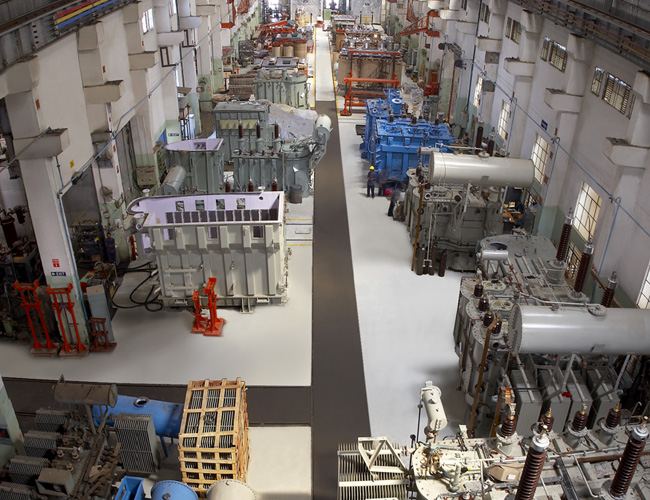
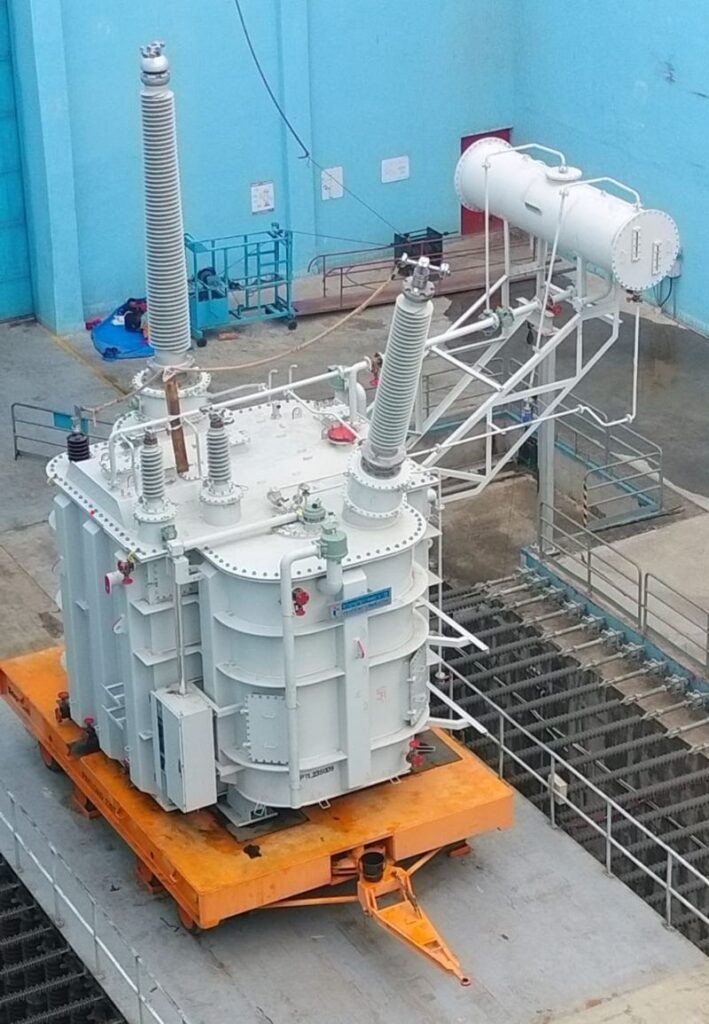
Industrial photographs relate to TARIL’s transformer manufacturing and testing facilities