

In early May 2026, SPML Infra Ltd landed a massive Rs.1,128-crore EPC order from NTPC to put up a 1-GWh battery energy storage system (BESS) at the Central PSU’s Barauni thermal power plant in Bihar. This project is among the single-largest BESS mandates ever awarded in India. In the backdrop of this significant achievement, Abhinandan Sethi, Managing Director, SPML Infra Ltd, while elaborating on the contract, discusses how SPML Infra is well positioned to build a strong presence in India’s fast-growing energy storage sector and emerge as a leading EPC player in this space.

Take us through the scope of work entailed by the mega Rs.1,128-crore BESS order placed by NTPC on SPML Infra.
Yes, SPML Infra Ltd has secured a landmark order worth Rs.1,128 crore from NTPC Ltd for the development of a large-scale Battery Energy Storage System (BESS) project, marking a significant milestone in India’s clean energy transition.
This first single-largest project awarded in India encompasses the end-to-end execution of a 250 MW/1,000 MWh BESS facility, including supply and installation of advanced 5 MWh DC battery containers, integration of battery management systems (BMS) and thermal management systems (TMS) to ensure operational efficiency, safety, and longevity, development of associated electrical infrastructure — 33kV panel boards, 220kV DC and AC cables, 220kV switchyard along with all auxiliary systems and execution of civil works, erection, testing, and commissioning.
The project will be executed over an 18-month implementation period, followed by a 15-year comprehensive operation and maintenance (O&M) contract, ensuring long-term performance and reliability.
How significant is this order given that SPML Infra has identified BESS as a key growth area?
This BESS order marks a significant strategic milestone for SPML Infra, reinforcing the company’s focus on Battery Energy Storage Systems as a key growth vertical. The project highlights SPML Infra’s ability to execute large-scale battery energy storage projects and strengthens its position as one of the early leaders in India’s evolving energy storage sector supporting India’s clean energy transition, grid modernization, and renewable energy growth. It also deepens the company’s association with premier clients such as NTPC.
Apart from its strategic importance, the order substantially enhances SPML Infra’s order book and ensures long-term revenue visibility through the 15-year O&M contract. Working on a project of this scale will help the company gain strong expertise in advanced energy storage systems and create opportunities for future projects in India and abroad. As renewable energy adoption continues to grow rapidly, this project positions us as an important player in the future of sustainable energy infrastructure.
Overall, this order represents more than a major contract for SPML Infra, it is a strategic step toward becoming a future-ready infrastructure company, with BESS emerging as a key driver of sustainable growth, innovation, and long-term market leadership.
What challenges do you foresee in the NTPC BESS contract execution?
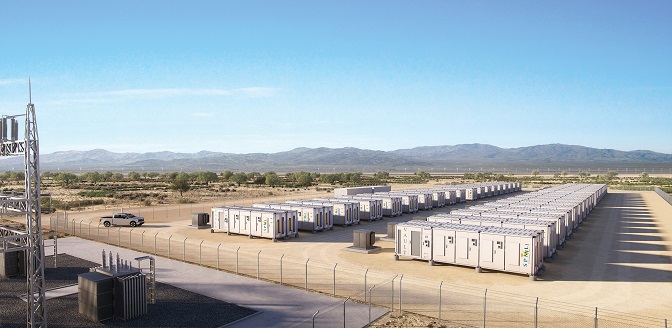 While the project offers strong growth opportunities for SPML Infra, executing a project of this scale comes with its own challenges. Large battery energy storage projects require the smooth integration of advanced battery systems, thermal management, grid infrastructure, and power electronics, which demand careful engineering and coordination. The project also includes multiple activities such as civil construction, electrical works, switchyard development, and commissioning, all of which must be completed within a strict timeline while maintaining world-class quality and safety standards.
The project also faces challenges related to supply chain management, cost control, and long-term performance commitments. Global price fluctuations due to Middle East conflict and delays in sourcing of critical components like lithium-ion cells and power equipment could impact timelines and margins. The project includes a 15-year O&M contract, we will have to ensure system performance, effective thermal management, and battery efficiency over the long term. At the same time, rapidly evolving battery technologies and changing regulatory requirements add another layer of complexity, making strong project execution and risk management essential for success.
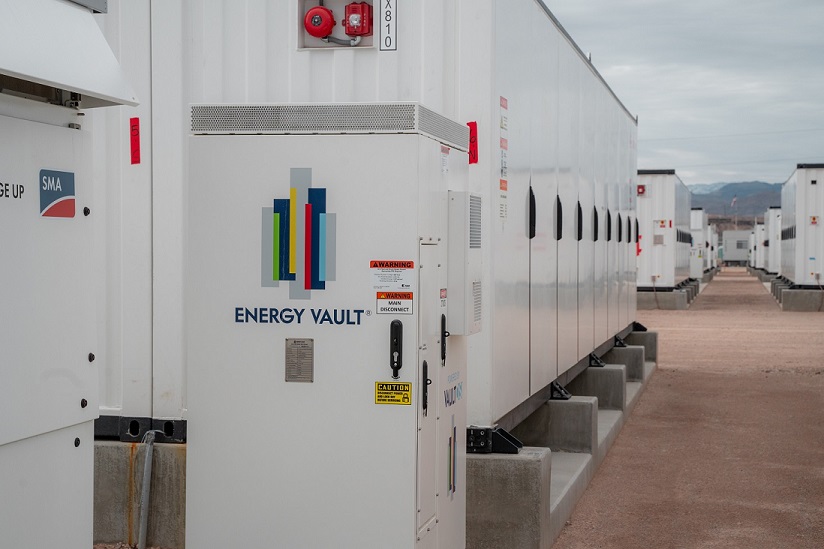
With our long and proven track record of successfully executing large and complex infrastructure projects across India, we are confident in our ability to manage these challenges efficiently. Our strong engineering expertise, project management capabilities, and our partnership with industry leader in BESS technology, Energy Vault, position us well to deliver this project successfully and create long-term value in India’s energy storage sector.
Please discuss the collaboration with Energy Vault for BESS projects.
SPML Infra’s partnership with Energy Vault, USA, is a strategically important collaboration aimed at strengthening our presence in India’s rapidly growing BESS sector. The partnership brings together Energy Vault’s global expertise in advanced energy storage technologies and SPML Infra’s strong project execution capabilities and experience in delivering large-scale infrastructure projects. Together, we are focused on developing and executing utility-scale BESS projects that support thermal and renewable energy integration, improve grid stability, and contribute to India’s clean energy transition goals.
We also understand that the collaboration also has a “manufacturing” dimension to it.
 Yes, the collaboration also includes a strong manufacturing focus. We are establishing localized manufacturing and system integration capabilities in India for battery energy storage solutions and related components. This supports the Government of India’s “Make in India” initiative and aims to reduce dependence on imports while building a strong domestic supply chain for energy storage technologies. Our BESS manufacturing plant in Pune will strengthen local manufacturing and assembly capabilities, improve cost competitiveness, and enable faster project execution.
Through this partnership, we aim to support large-scale deployment of BESS projects across India to meet the growing demand for renewable energy integration and grid-scale energy storage. We are targeting a minimum of 10 GWh of BESS manufacturing and deployment by 2030, contributing to the long-term growth and development of India’s energy storage ecosystem.
How do you see the role of BESS in helping India achieve grid stability, especially in view of massive renewable integration?
India’s energy transition is entering a transformative phase. The country is expected to require more than 400 GWh by 2030, with battery energy storage systems playing a major role in strengthening renewable energy integration and grid stability. As the demand for reliable and sustainable energy infrastructure grows, SPML Infra is ready to contribute towards India’s clean energy future with advanced expertise in large-scale infrastructure development, energy storage solutions, power systems, and sustainable technologies.
Energy storage will be the backbone of a greener and more resilient power ecosystem, enabling efficient renewable energy utilization, peak load management, and uninterrupted power supply for industries, cities, and communities. As India moves towards greater use of renewable energy, BESS will play a critical role in maintaining grid stability, reliability, and uninterrupted power supply. It helps balance the gap between fluctuating renewable energy generation and actual power demand, making it an essential part of a cleaner, stronger, and future-ready energy system.
It is estimated that India currently has at least 51 GWh of BESS capacity under construction or under bidding, and the country’s demand would be in the region of 236 GWh by 2032. Given this how do you see the demand for more EPC orders?
 India’s BESS market is expected to grow rapidly, with capacity projected to increase from around 51 GWh currently under construction to nearly 236 GWh by 2032. It is reported that over 90 GWh of storage capacity projects have already been tendered. This growth will create a strong and long-term pipeline of opportunities for EPC companies involved in energy storage projects. As India continues to expand renewable energy capacity and move towards its clean energy targets, large-scale battery storage systems will become essential for grid stability, power balancing, peak demand management, and efficient integration of solar and wind energy. Government support through tenders, storage policies, production-linked incentive (PLI) scheme, and funding initiatives is also accelerating demand for BESS projects across the country.
The market is also shifting towards integrated EPC solutions, where clients prefer companies that can handle complete project execution, including design, procurement, installation, integration, and long-term operation & maintenance services. This creates a strong opportunity for experienced infrastructure companies like SPML Infra Ltd, which already have expertise in executing large and complex projects.
With early participation in landmark projects such as the NTPC BESS order and strategic partnerships in technology and manufacturing, SPML Infra is well positioned to build a strong presence in India’s fast-growing energy storage sector and emerge as a leading EPC player in this space.
Several state and Central utilities are offering BESS concessions under the tariff-based competitive bidding model, also supported by the Centre’s VGF scheme. Would SPML Infra be interested in developing such BESS projects, in addition to its role as EPC contractor?
SPML Infra sees the emergence of tariff-based competitive bidding (TBCB) models, supported by the Government of India’s viability gap funding (VGF) scheme, as a positive development for the BESS sector. At present, our primary focus remains on the EPC model, where SPML Infra has strong expertise. This approach allows the company to leverage its proven execution capabilities while supporting India’s growing renewable energy and grid modernization needs.
As the BESS market evolves and becomes more stable, SPML Infra may explore opportunities beyond EPC in the future, including selective participation in project development or asset ownership models. The company could consider such opportunities through strategic partnerships, joint ventures, or collaborations with technology providers and investors, while maintaining a balanced and prudent approach to capital deployment.
Going forward, SPML Infra aims to gradually strengthen its position as a comprehensive energy infrastructure solutions provider while continuing to keep EPC as its core business focus.