

Special Report
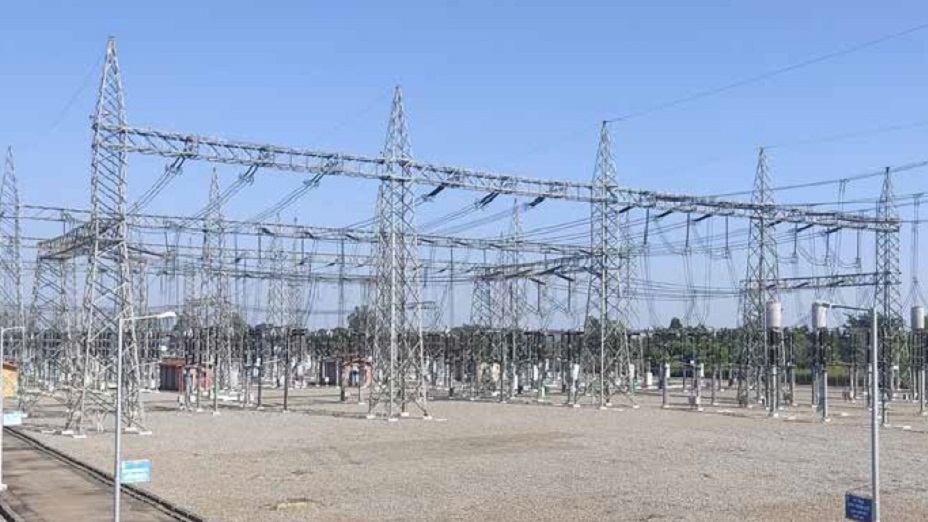
PGCIL set to expand its intrastate-TBCB footprint to Karnataka
Power Grid Corporation of India Ltd (PGCIL) is set to expand its intrastate-TBCB footprint to Karnataka.
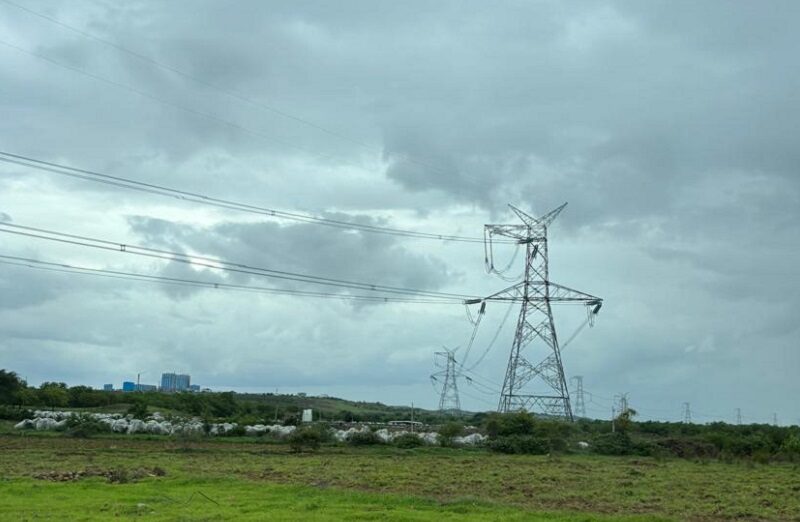
PGCIL accounts for over half of transmission line addition in Q1FY27
- Jul 31, 2026
Power Grid Corporation of India Ltd (PGCIL) accounted for over half of the total transmission line network commissioned in the first quarter (Q1: April to June) of FY27, official statistics suggest.
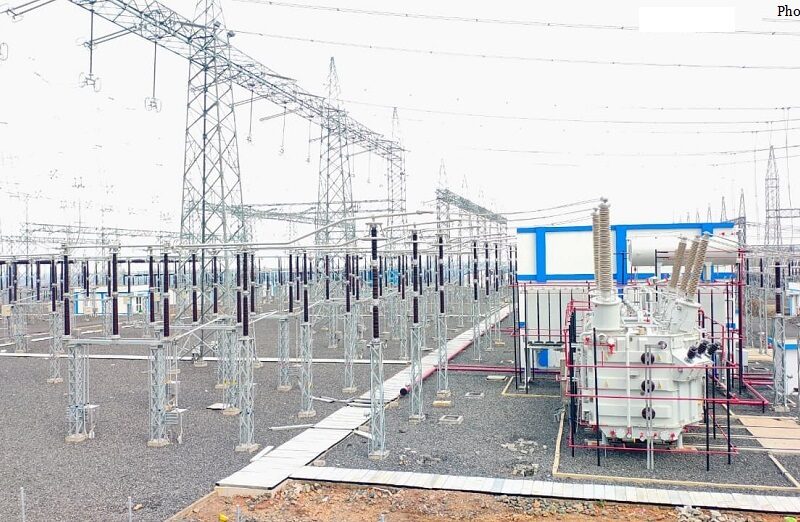
Three ISTS-TBCB schemes fully commissioned in Q1FY27
- Jul 24, 2026
A total of three ISTS-TBCB schemes were fully commissioned in the first quarter (Q1: April to June) of FY27, with the entire achievement concentrated in the single month of June 2026.
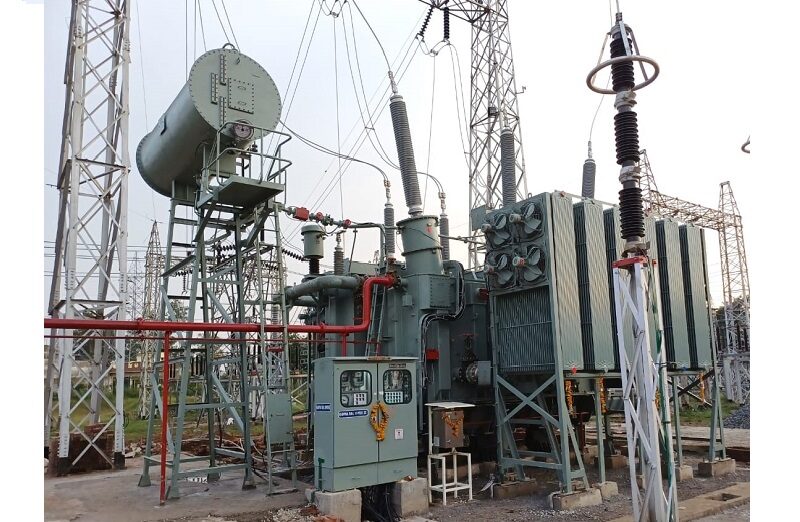
Madhya Pradesh to strengthen Kukshi-Alirajpur grid through TBCB project
- Jul 22, 2026
Madhya Pradesh has planned to strengthen the power grid of the Kukshi-Alirajpur area through an intrastate transmission system (InSTS) scheme to be developed under the tariff-based competitive bidding (TBCB) framework.
ISTS-TBCB market in Q1FY27: Six schemes transferred, PGCIL leads
- Jul 6, 2026
The first quarter (Q1: April to June) of FY27 saw six ISTS-TBCB schemes formally transferred to their winning developers. PGCIL led the market in terms of both number of schemes and tariff-based market share.
Led by 765kV class, over 18 GVA transformation capacity added in 2MFY27
- Jun 18, 2026
During the first two months of the ongoing fiscal year FY27 (2M: April to May), over 18 GVA of new transformation capacity was commissioned, latest statistics by Central Electricity Authority (CEA) suggest.
Over 2,000 ckm of lines added in 2MFY27, state utilities dominate
- Jun 15, 2026
Over 2,000 ckm of new transmission lines were commissioned during the first two months (2M: April-May) of FY27, with state utilities clearly dominating.
Healthy growth expected in FY27 transmission infrastructure addition
- Jun 2, 2026
A very healthy growth of over 35 per cent is expected in transmission infrastructure addition during the current fiscal year FY27. The 765kV voltage class is expected to have a much higher share than 400kV and 220kV.
Record number of ISTS-TBCB schemes fully commissioned in FY26
- Apr 23, 2026
Fiscal year FY26, which ended on March 31, 2026, proved very eventful for the ISTS-TBCB landscape with as many as 17 such schemes achieving full commissioning.
PGCIL drives country’s substation capacity addition in FY26
- Apr 20, 2026
Power Grid Corporation of India Ltd (PGCIL) has been a very big contributor to all-India new transformation capacity addition during FY26, government statistics suggest.