

Special Report
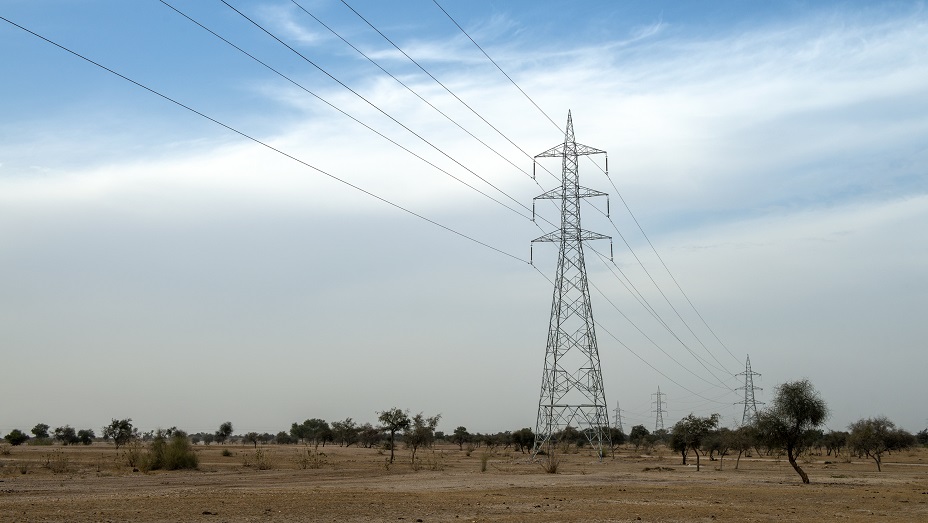
Over 6,000 ckm of new lines added on ISTS network in FY26, TBCB dominates
Over 6,000 ckm of new transmission lines (of 220kV or above) were added on the interstate transmission system (ISTS) network during FY26 with contribution from tariff-based competitive bidding (TBCB) projects clearly dominating.
ISTS-TBCB Market in FY26: Adani Energy leads in tariff share, PGCIL in number of schemes
- Apr 9, 2026
An exclusive study by tndindia.com suggests that 16 interstate transmission system schemes were awarded under the tariff-based competitive bidding mechanism in FY26. This ISTS-TBCB market was led by Adani Energy Solutions Ltd in terms of tariff-based share while PGCIL held leadership position with respect to number of schemes won.
Major transmission infrastructure addition by ISTS-TBCB schemes expected in Q1FY27
- Apr 6, 2026
The first quarter (Q1: April to June) of FY27 is expected to see significant addition of transmission infrastructure through interstate transmission system (ISTS) schemes awarded under the tariff-based competitive bidding (TBCB) mechanism.
Gauging India’s self-sufficiency in the solar PV value chain
- Mar 27, 2026
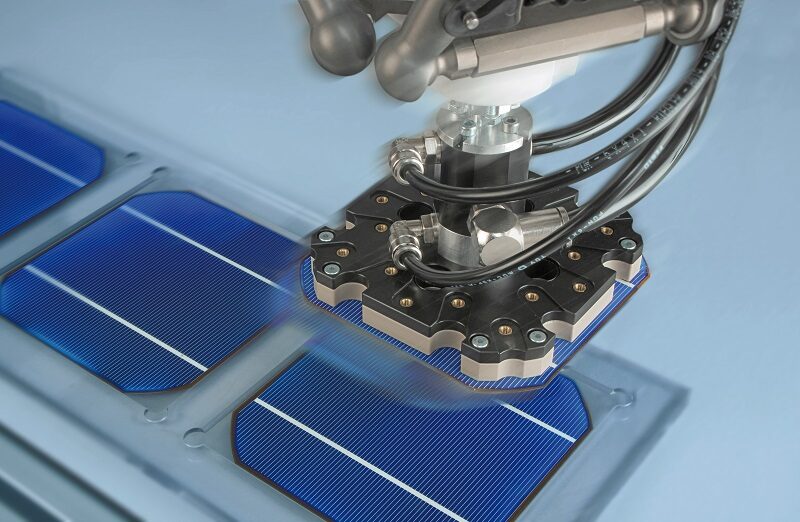
Very recently, the Union ministry of new & renewable energy (MNRE) expanded the Approved List of Models & Manufacturers (ALMM) framework to cover solar ingots and wafers. This is aimed at further bolstering India’s self-sufficiency over the entire solar equipment value chain. Through earlier ALMM interventions, MNRE sought to reduce India’s import dependency on solar modules and cells. In this special study, tndindia.com tries to gauge the impact that the ALMM framework has had on increasing India’s self-sufficiency in the solar photovoltaic (PV) manufacturing ecosystem.
PGCIL expects annual project pipeline of Rs.60,000 crore till FY36
- Mar 26, 2026
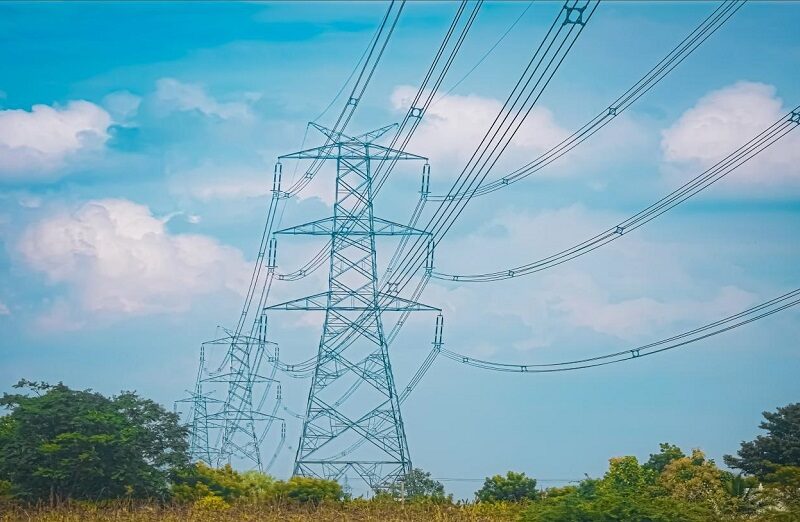
Power Grid Corporation of India Ltd (PGCIL) expects that it will have a project pipeline of around Rs.60,000 crore per year over the next decade.
Evacuation of 900 GW non-fossil capacity will see Rs.8 trillion investment by FY32
- Mar 25, 2026
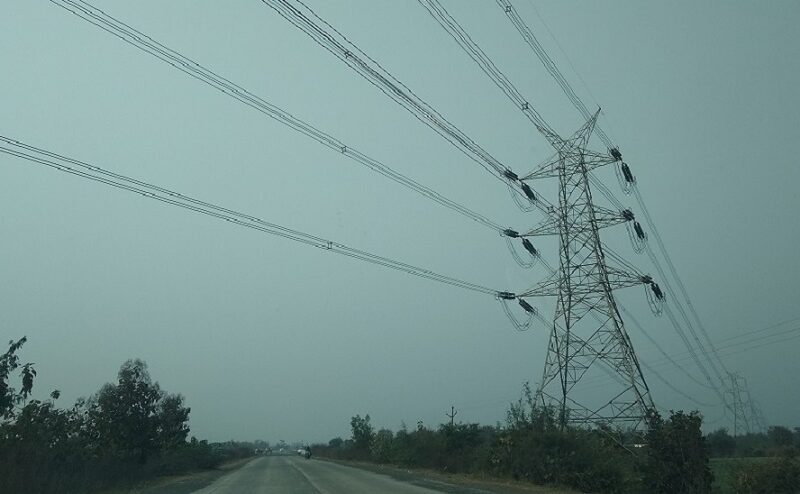
In a newly-released report, Central Electricity Authority (CEA) has estimated that an investment of nearly Rs.8 trillion will be required during the ten-year period from FY27 to FY36, for evacuation of 900 GW of non-fossil power generation capacity.
Extension in completion timelines proposed for under-bidding RE evacuation schemes
- Mar 16, 2026
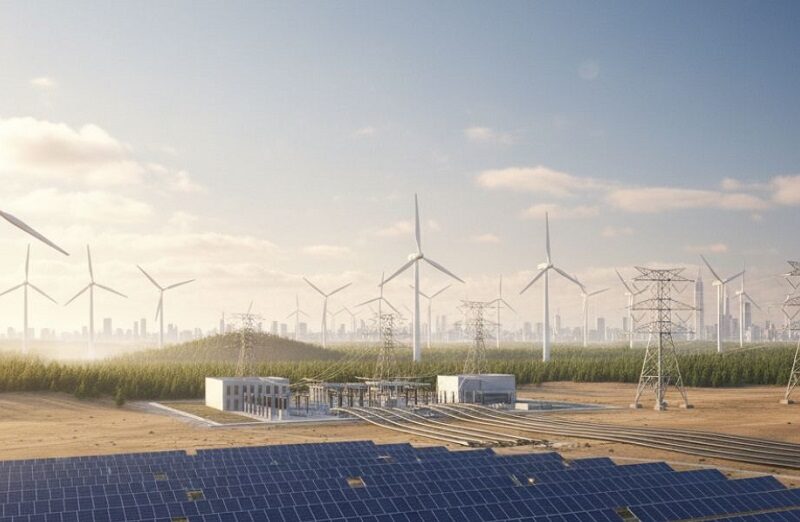
The National Committee on Transmission (NCT) has proposed extension in implementation timeframe for ISTS schemes involving RE evacuation, which are currently under bidding.
Healthy addition to ISTS network in February 2026
- Mar 12, 2026
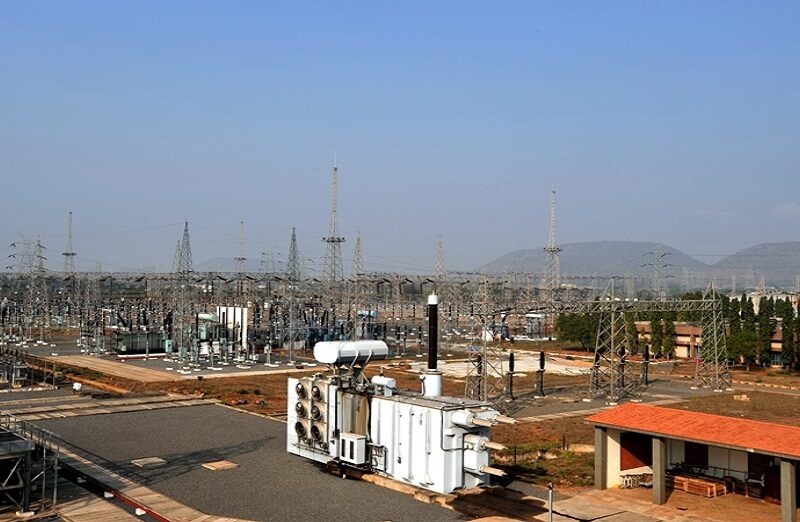
The intrastate transmission system (ISTS) network witnessed significant addition of infrastructure – both transmission lines and transformation capacity – during February 2026, official statistics suggest.
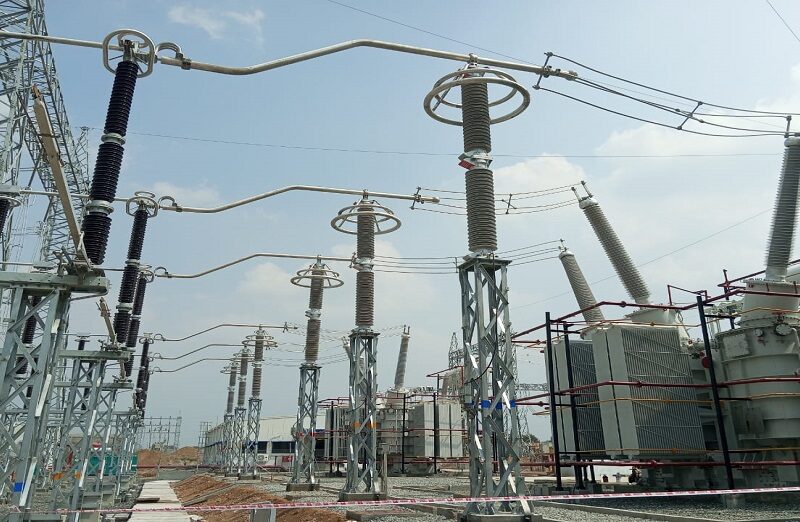
Nearly 20,000 ckm of new intrastate lines planned in Maharashtra
- Feb 13, 2026
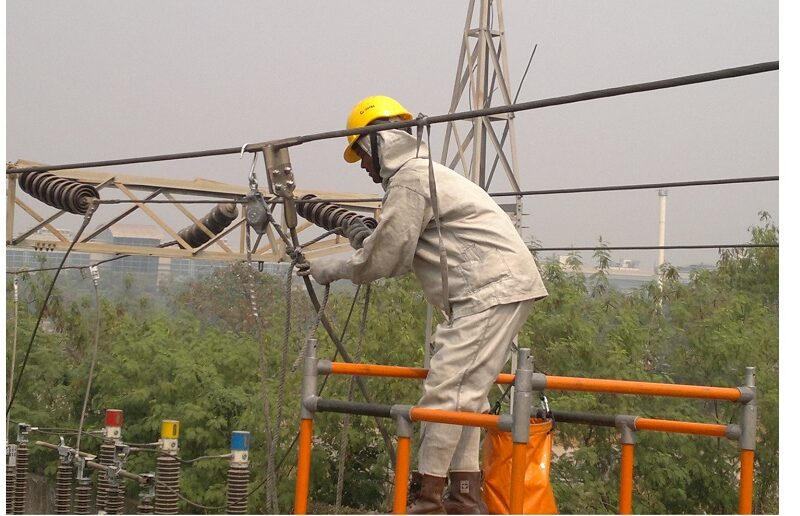
Maharashtra has targeted to grow its intrastate grid by nearly 20,000 ckm between now and end of FY34, it was informed in Parliament.