

Special Report
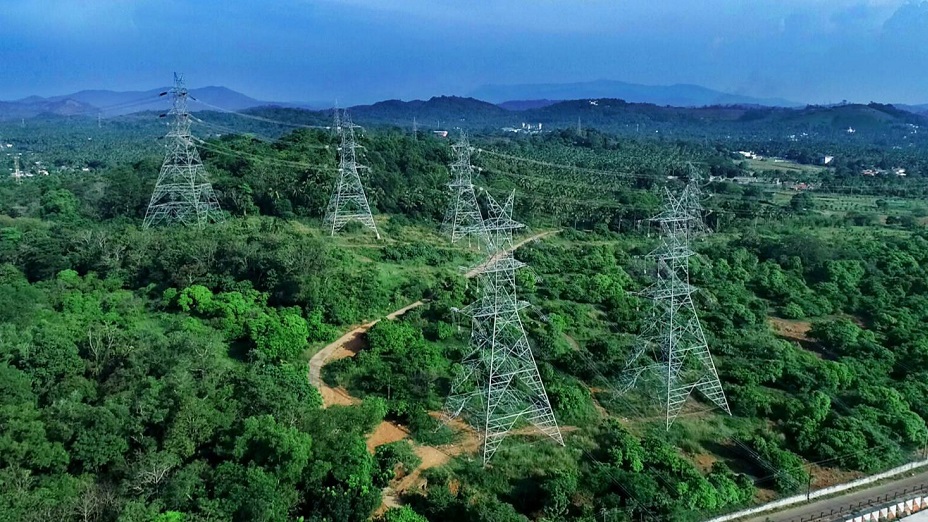
Ultra-high voltage 1,150kV interregional corridor, linking western and eastern grids, under discussion
A new ultra-high voltage alternating current (UHVAC) corridor, linking the western region (WR) and eastern region (ER) grids, is under discussion.
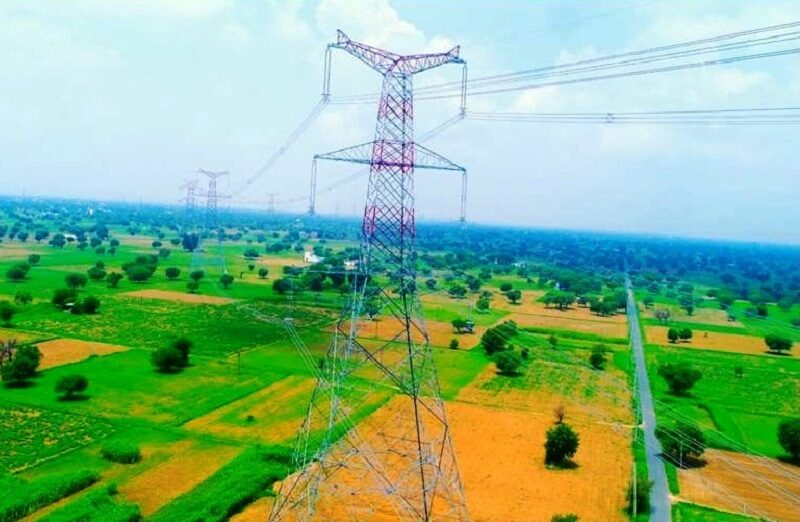
ISTS-TBCB market in H1FY27: PGCIL emerges clear leader with 10 wins and 62 per cent tariff share
- Oct 8, 2026
Power Grid Corporation of India Ltd (PGCIL) has emerged as the undisputed leader in the ISTS-TBCB market during the first half (H1: April to September) of FY27, according to an exclusive study by tndindia.com.
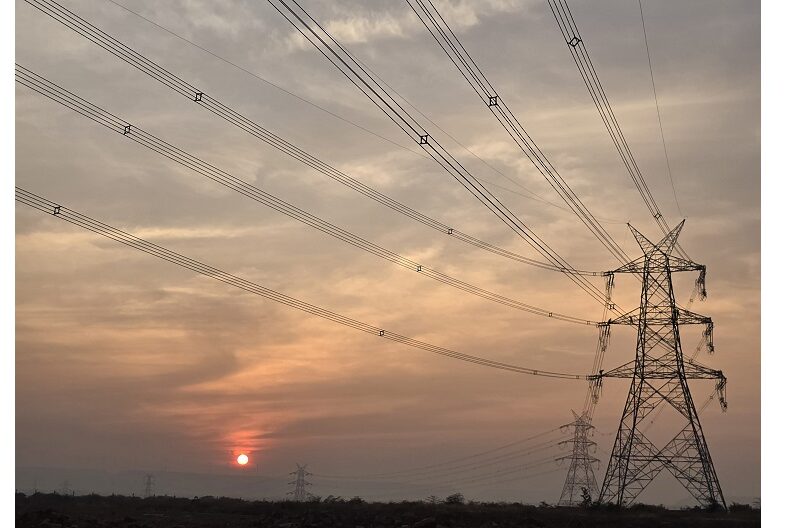
Multitude of ISTS-TBCB schemes expected to fully commission in Q3FY27
- Oct 5, 2026
A large number of ISTS schemes awarded under the TBCB route are expected to fully commission in the third quarter (Q3: October to December) of FY27, official statistics indicate.
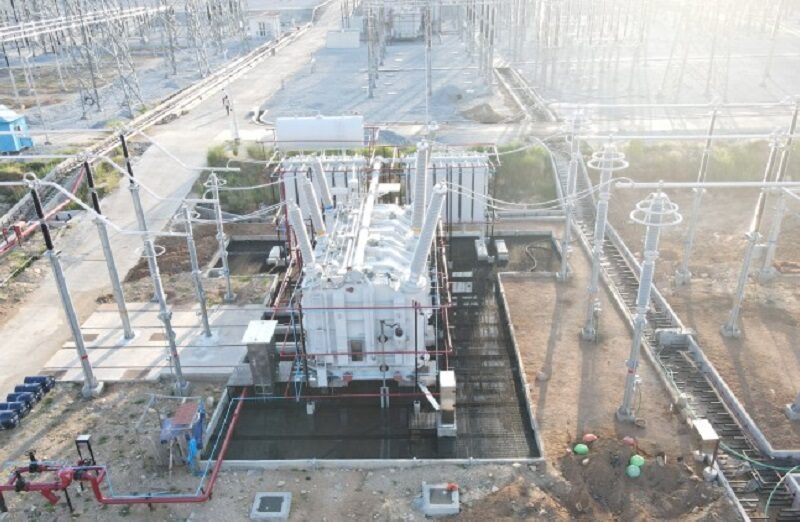
Uttar Pradesh plans 33 substations in TBCB mode, STU releases five-year rolling plan
- Sep 23, 2026
Uttar Pradesh has planned to develop 33 greenfield substations under the tariff-based competitive bidding (TBCB) framework, during the five-year period ending FY31.
Case study: High tariff discovery in Jejuri-Hinjewadi intrastate-TBCB scheme

- Sep 11, 2026
The Jejuri-Hinjewadi intrastate-TBCB scheme in Maharashtra, acquired by Tata Power in January 2026, became an apparent instance of abnormally high tariff. Here is a case study of this scheme and some other Maharashtra-centric ones, based on official information newly released.
MPPTCL launches comprehensive initiative to protect birds from live transmission lines
- Sep 8, 2026
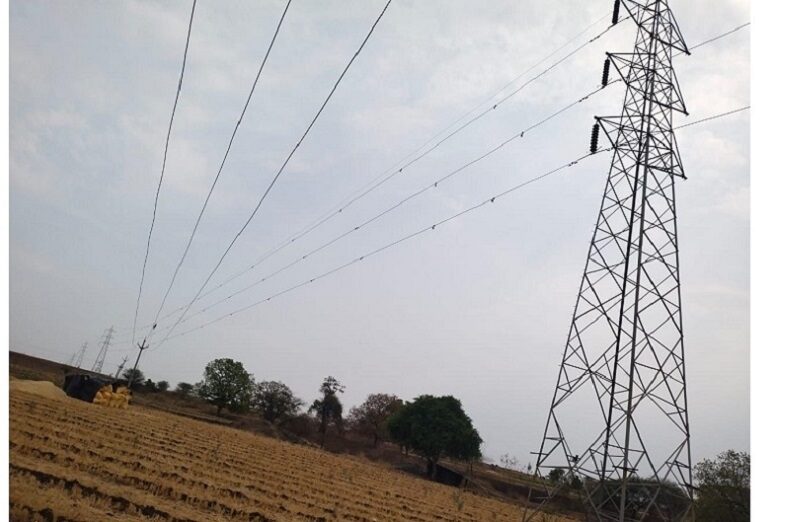
In a significant step toward wildlife conservation, state transco Madhya Pradesh Power Transmission Company Ltd (MPPTCL or MP Transco) has launched a comprehensive initiative to safeguard birds from the dangers posed by extra high-voltage (EHV) transmission lines.
Transmission line addition on ISTS network surges in 4MFY27
- Aug 29, 2026
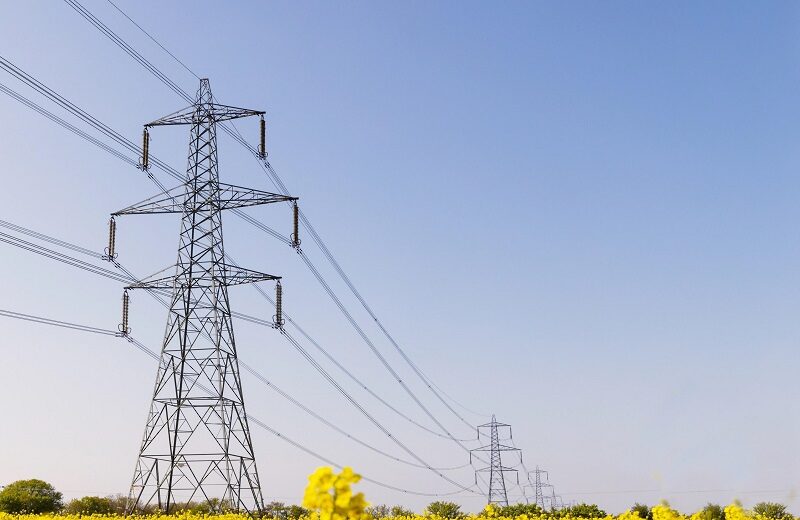
Transmission line addition on the interstate transmission system (ISTS) more than quadrupled year-on-year during the first four months (4M: April to July) of FY27.
Substation capacity addition in 4MFY27 meets two-thirds of target, PGCIL makes biggest contribution
- Aug 20, 2026
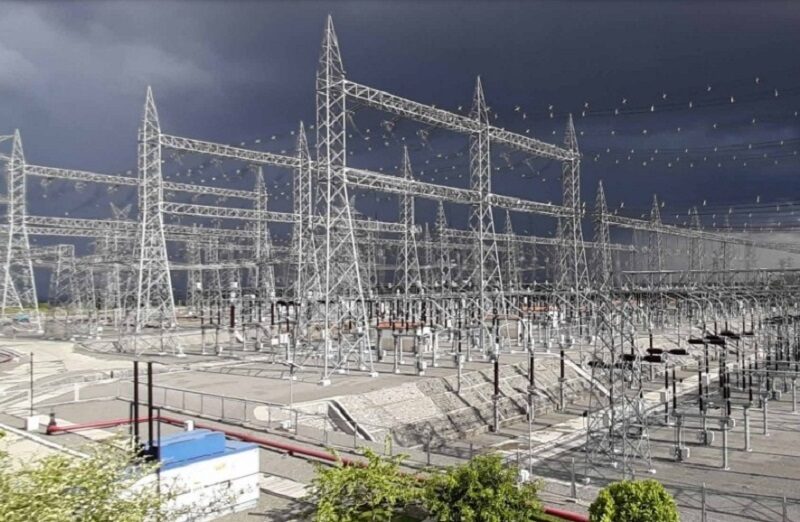
India’s transformation capacity addition during the first four months (4M: April to July) of FY27 was two-thirds of the planned quantum. Power Grid Corporation of India Ltd (PGCIL), with 16 GVA of new capacity, made the largest contribution to the national effort.
Aggregate tariff of PGCIL’s recent TBCB schemes pegged at over Rs.2,200 crore per year
- Aug 17, 2026
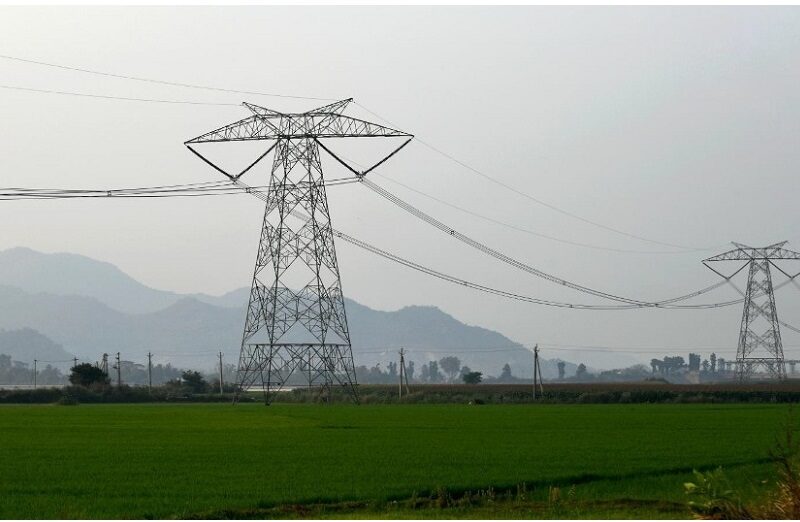
The aggregate tariff associated with TBCB schemes won by Power Grid Corporation of India Ltd (PGCIL) in the early months of FY27, stands at over Rs.2,200 crore.
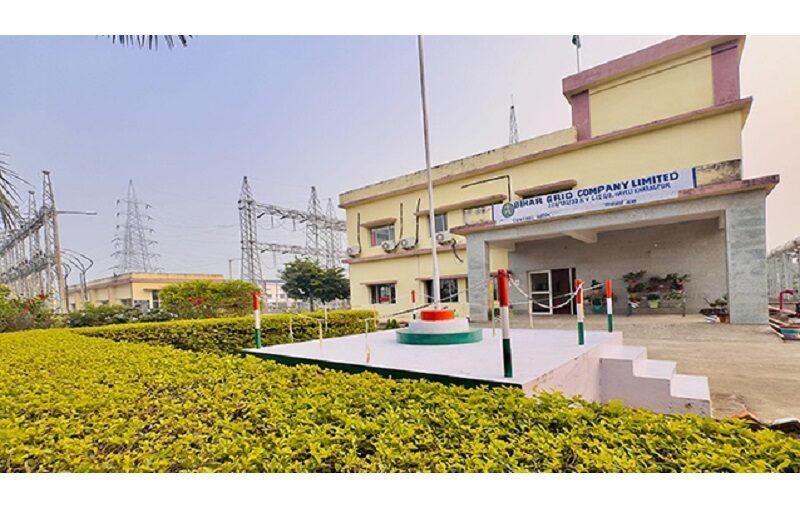
Bihar adopts TBCB philosophy for intrastate grid development
- Aug 11, 2026
Bihar has joined the growing list of states in adopting the tariff-based competitive bidding (TBCB) mechanism for development of its intrastate grid.