

Trackers deliver up to 23 per cent higher yield and 10 per cent lower EPC cost: Study
- April 7, 2026
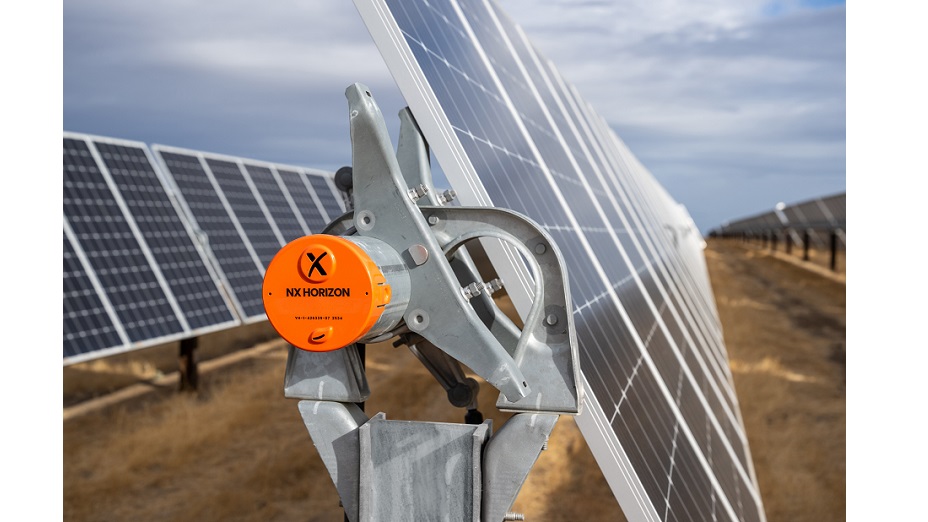
Sgurr Energy, an independent renewable energy technical advisory and engineering company, has released the findings of an independent techno-economic assessment comparing Fixed-Tilt (FT) and Horizontal Single-Axis Tracker (HSAT) mounting systems across representative Indian solar geographies.
The study’s modelled scenarios indicate that tracker-based systems may achieve up to 23 per cent higher specific yield under certain site conditions while potentially reducing overall EPC costs by as much as 10 per cent, subject to project design, location and modelling assumptions. The analysis highlights the importance of site-specific evaluation when assessing mounting system selection for utility-scale solar projects in India.
The assessment evaluates energy yield and Levelized Cost of Energy (LCoE) across Rajasthan, Andhra Pradesh, and Madhya Pradesh, selected to represent diverse irradiation profiles, terrain conditions, and climatic environments.
Using high-resolution SolarGIS resource data and detailed PVSyst simulations, the study analysed system performance under both CUF-matched and constant-DC scenarios to ensure a robust and like-for-like comparison.
The findings highlight the modelled performance differences of HSAT systems. Under the Study’s simulated scenarios, trackers require approximately 14-18% lower installed DC capacity to achieve the Capacity Utilization Factor (CUF) levels comparable to fixed-tilt systems, indicating reductions in infrastructure intensity. Even at equivalent DC capacities, HSAT configurations demonstrated a 3–4 percentage point improvement in CUF within the evaluated case. Across all three evaluated states, tracker systems showed higher simulated specific yield outcomes compared to fixed-tilt setups, with 15–23% higher specific yield and 12–16% higher transposition gains, driven by continuous sun tracking and enhanced irradiance capture throughout the day.
The study confirms that optimized tracker configurations can be implemented without increasing project capital costs. When designed to meet defined CUF targets within the modelling framework, HSAT systems may reduce overall EPC CAPEX by approximately 7–10% across the evaluated geographies. This reduction is primarily driven by lower module procurement volumes, reduced DC-side balance-of-system requirements and decreased civil and structural quantities resulting from optimised DC sizing.
As a result, HSAT systems consistently may achieve lower Levelized Cost of Energy across all assessed geographies. Across the analysed cases, the analysis showed that the combination of reduced capital intensity and higher annual energy yield produces a durable LCoE advantage, reinforcing trackers as a capital-efficient and execution-friendly solution in tariff-sensitive procurement environments.
As India accelerates renewable capacity addition and project developers seek sharper tariff competitiveness, the study underscores the growing importance of system-level optimisation in driving both technical performance and financial resilience in utility-scale solar projects.