

Special Report
Major shortfall foreseen in 765kV transmission line addition in FY26
Current fiscal year FY26 is likely to close with a significant deficit in addition of 765kV transmission lines.
Big increase foreseen in transmission infrastructure build-up by private sector
- Dec 9, 2025
The private sector is likely to commission a higher quantum of power transmission infrastructure in FY26 as compared with the actual achievement in FY25, a study by tndindia.com suggests.
Ladakh RE evacuation scheme: EHVAC found feasible, NCT’s approval awaited
- Dec 2, 2025
It is now confirmed that the mega Ladakh renewable energy (RE) evacuation scheme will be implemented using EHVAC technology, instead of the earlier planned combination of HVDC and EHVAC. However, the final approval by National Committee on Transmission (NCT) will be accorded only after Ministry of New & Renewable Energy (MNRE) provides its technical inputs.
No new interstate transmission scheme under TBCB approved at latest NCT meet
- Nov 28, 2025
In a rare occurrence, no new interstate transmission system (ISTS) scheme under the tariff-based competitive bidding (TBCB) mechanism was cleared at the latest National Committee on Transmission (NCT).
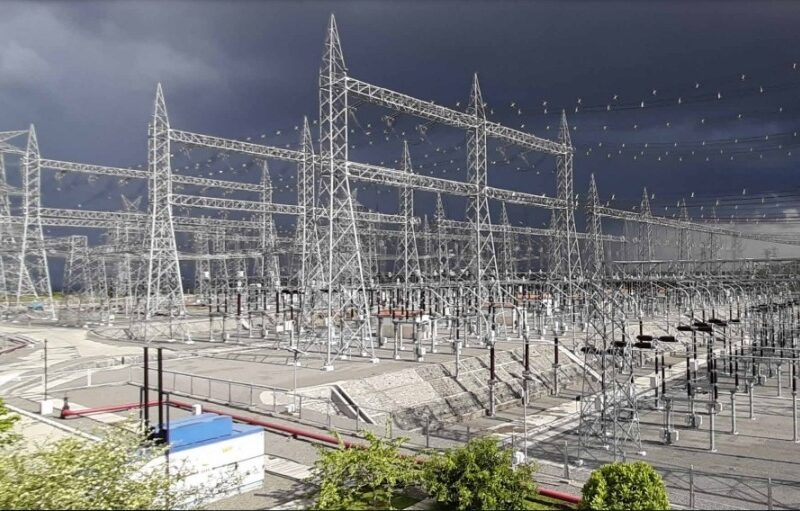
Interstate transmission network sees healthy addition of transformation capacity
- Nov 28, 2025
The interstate transmission system (ISTS) network has witnessed healthy addition of transformation (substation) capacity addition during the current fiscal year.
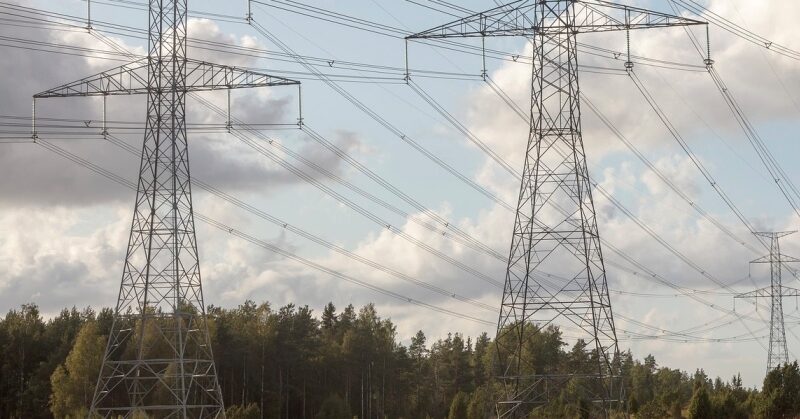
Transmission line addition picks up in October 2025 but still short of target
- Nov 26, 2025
The pace of transmission line addition picked up in October 2025, according to latest official statistics, but the cumulative performance in FY26 is still far below the target.
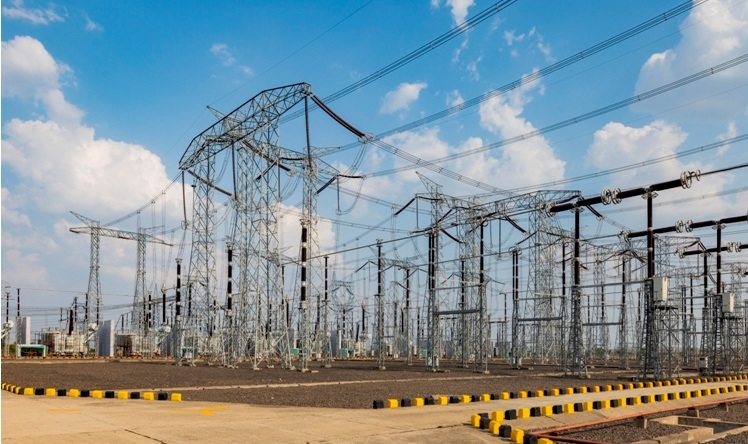
Full commissioning of 15 ISTS-TBCB schemes expected in Q3FY26
- Oct 27, 2025
An estimated 15 interstate transmission system (ISTS) schemes that were awarded under the tariff-based competitive bidding route (TBCB) are likely to be commissioned during the third quarter (Q3: October to December) of FY26.
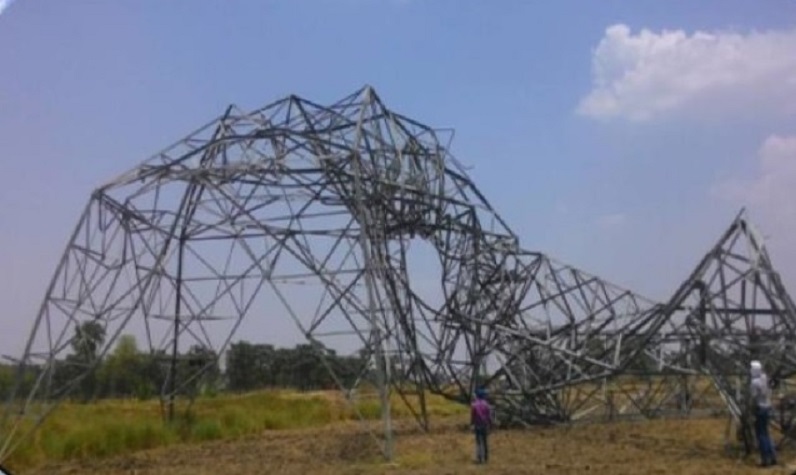
EHV transmission line tower failure: 22 cases reported in January-June 2025
- Oct 24, 2025
During the period January 1, 2025 to June 30, 2025, 22 cases of EHV transmission line failure due to towers were reported by 11 utilities to the Standing Committee of Experts constituted by the Central Electricity Authority (CEA).
Substation capacity addition up 74 per cent, but short of target
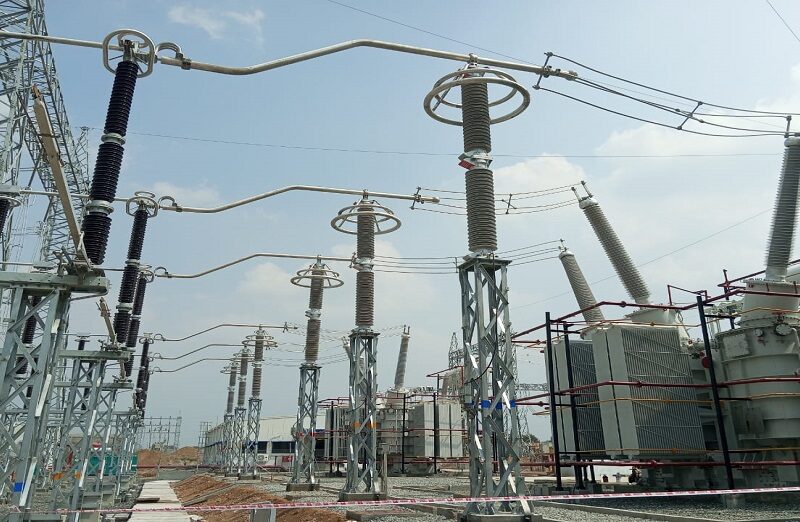
- Oct 15, 2025
India’s substation capacity addition during the first half (H1: April to September) of FY26 was up 74 per cent, year-on-year, but still met only two-thirds of the planned addition.
India’s first synchronous condenser (SynCon) project under TBCB, approved

- Oct 13, 2025
India’s very first project for deploying of synchronous condenser (SynCon) units for implementation under the TBCB route was recently approved by NCT.