

Special Report
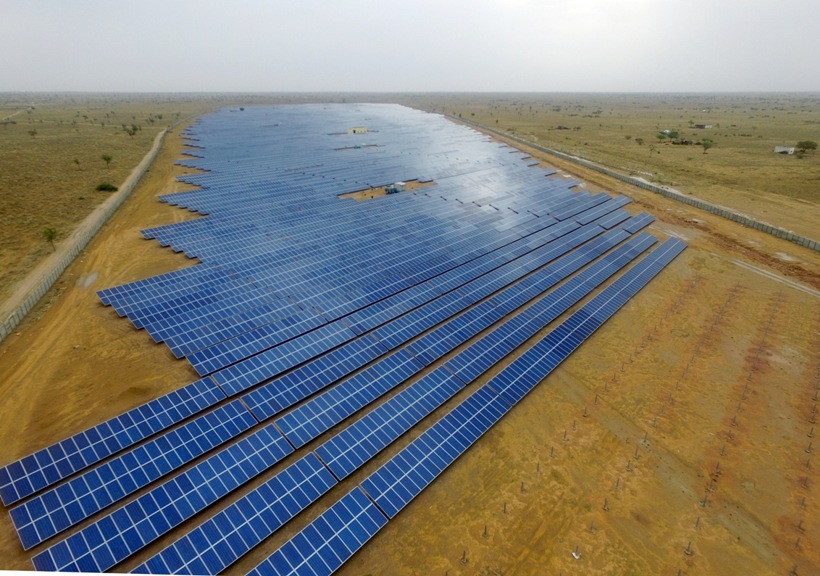
TBCB-based Green Energy Corridor projects taking off
Power transmission projects, structured on the tariff-based competitive bidding (TBCB) mechanism and associated with large-scale evacuation of renewable energy, are seen to be taking off, after a sustained period of lull, recent developments suggest.
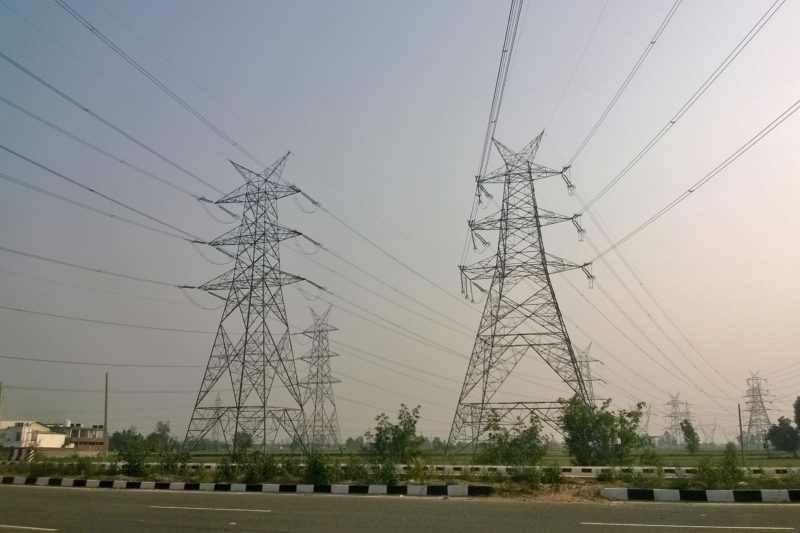
Mega transmission projects see slowdown in FY19
- Jul 15, 2019
Large power transmission projects being developed under the tariff-based competitive bidding (TBCB) route appear to be progressing very slowly. During FY19, not a single new project was awarded. This inference is based on an analysis done by T&D India, using data released by the Central Electricity Authority (CEA).
Digitalization is the way forward

- Jun 17, 2019
Siemens recently held its “Innovation Day 2019” in Mumbai where top management personnel as well as technical experts gave detailed presentations on digitization, Internet of Things (IoT), artificial intelligence and related topics. It was very clear that digitalization—as a philosophy with varying implications—is the way forward. From running machines efficiently to having a cleaner and healthier world, digitalization could positively influence human life, in ways that are quite unimaginable right now. This story by Venugopal Pillai is based on some striking points made during the presentations, and it attempts to bring readers a little closer to this all-pervasive phenomenon of digitalization.
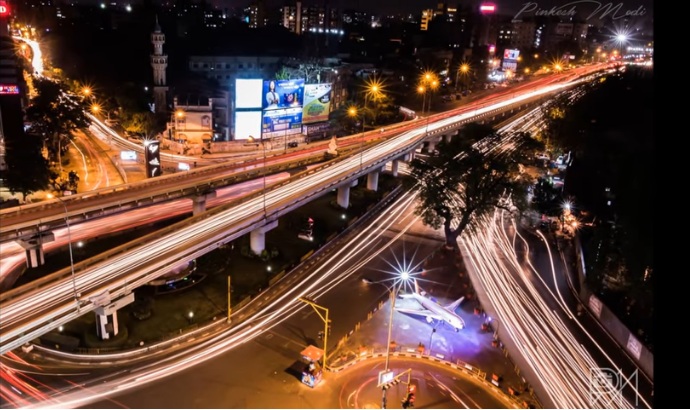
Torrent Power plans Rs.500 crore capex in Dholera region
- Jun 1, 2019
Torrent Power expects capital expenditure of Rs.500 crore in the Dholera Special Industries Region (DSIR) for which the Gujarat-based company was given the mandate of an additional distribution licencee last year. Torrent Power expects the investment to made over the next five years, it said in a recent investor presentation filed on the stock exchanges.
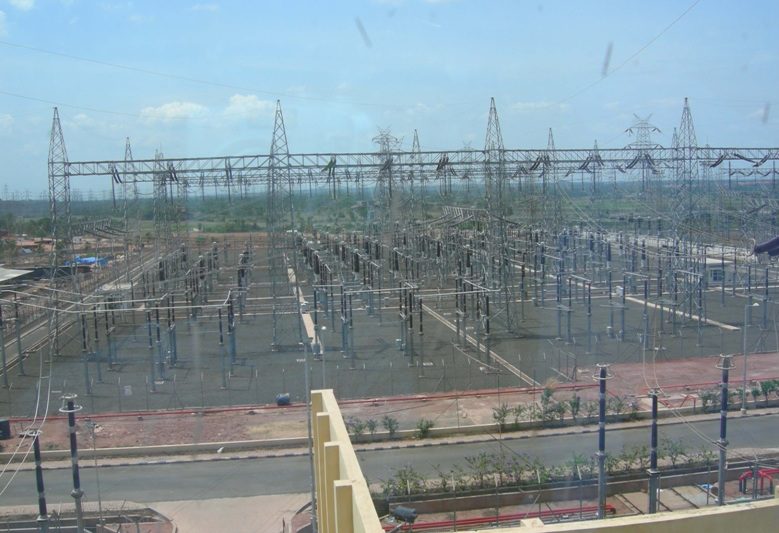
Consolidation phase for private power transmission
- May 18, 2019
Independent power transmission line concessions, both at the regional and state level, are witnessing a phase of consolidation, notes Venugopal Pillai, in this special study.
Reforming power distribution
- Apr 8, 2019
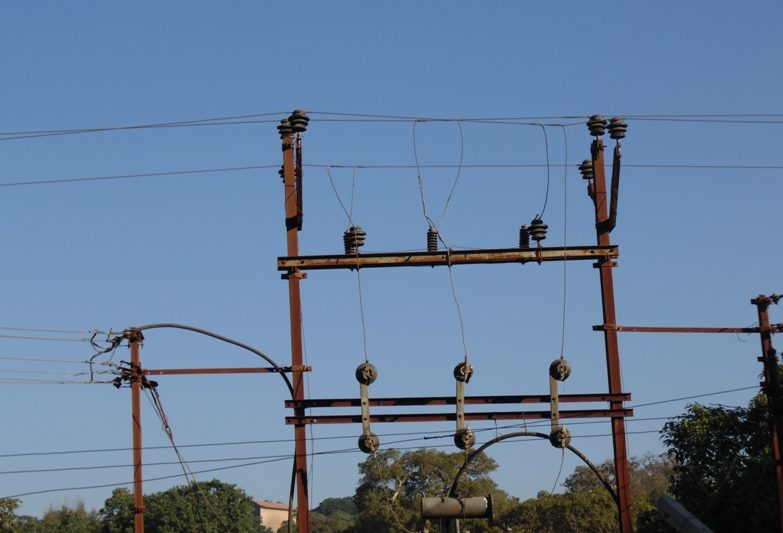
IEEMA recently organized “DistribuELEC 2019” event in Mumbai. The event had a series of covenant conferences and panel discussions where extensive deliberations on the Indian power distribution sector took place. This story by Venugopal Pillai, based on views expressed by various speakers at these conferences, attempts to dwell upon key issues affecting the Indian power distribution sector.
Ladakh gets National Grid connectivity
- Feb 15, 2019
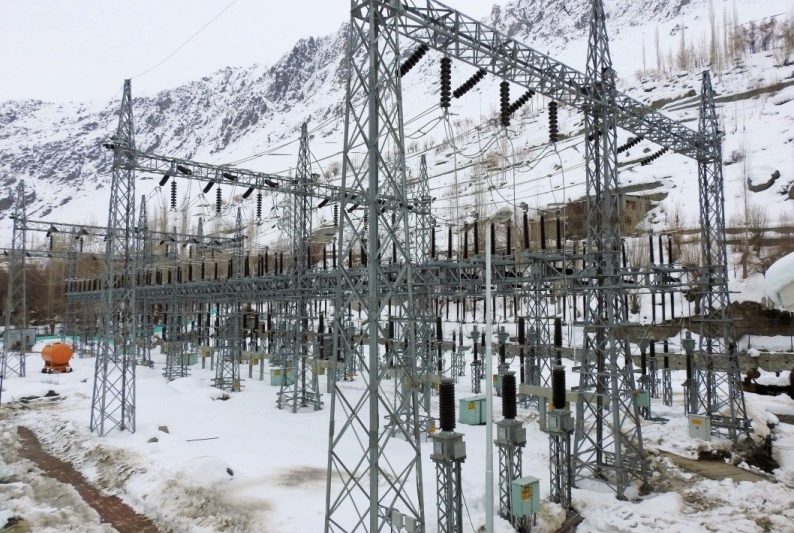
On February 3, 2019, Prime Minister Narendra Modi dedicated the 220kV Srinagar-Alusteng-Drass-Kargil-Leh power transmission system to the nation. This was a defining moment in the history of India as the topographically challenged Ladakh region in Jammu & Kashmir, after over 70 years of Independence, got connected to the National Grid.
TBCB route proposed for major transmission scheme in Gujarat
- Jan 17, 2019
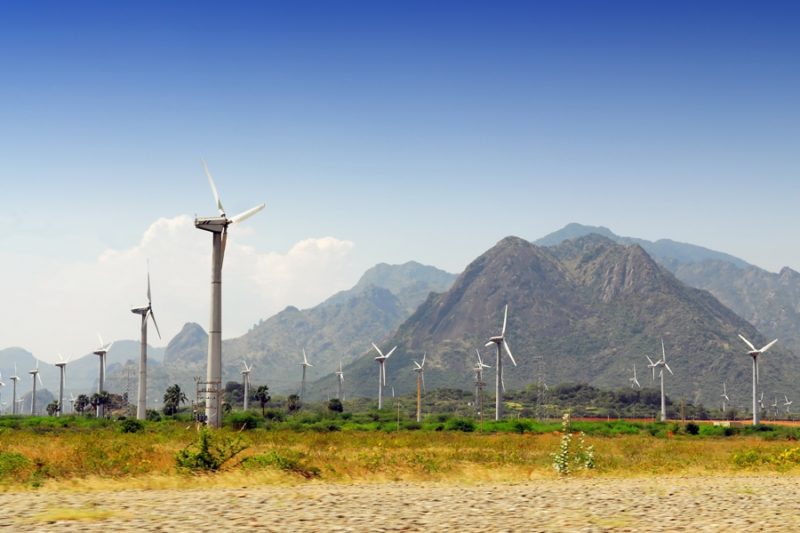
The National Committee on Transmission (NCT), in a recent meeting, has recommended the tariff-based competitive bidding (TBCB) route for a major transmission project in Gujarat.
The transmission scheme, officially known as “Western Region System Strengthening Scheme – 21 (Part A and Part B)” is expected to cost a little over Rs.2,700 crore.
NCT recommends scrapping of Himachal Pradesh transmission scheme
- Dec 11, 2018
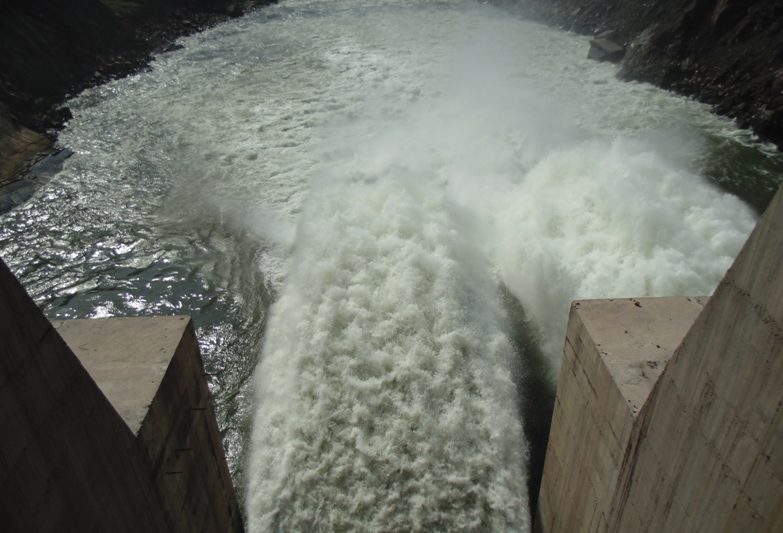
The National Committee on Transmission (NCT) in its recent meeting has recommended the de-notification of a power transmission scheme in Himachal Pradesh, as the committee expected significant delay in the commissioning of the underlying power generation projects.
TBCB power transmission projects dwindle
- Nov 20, 2018
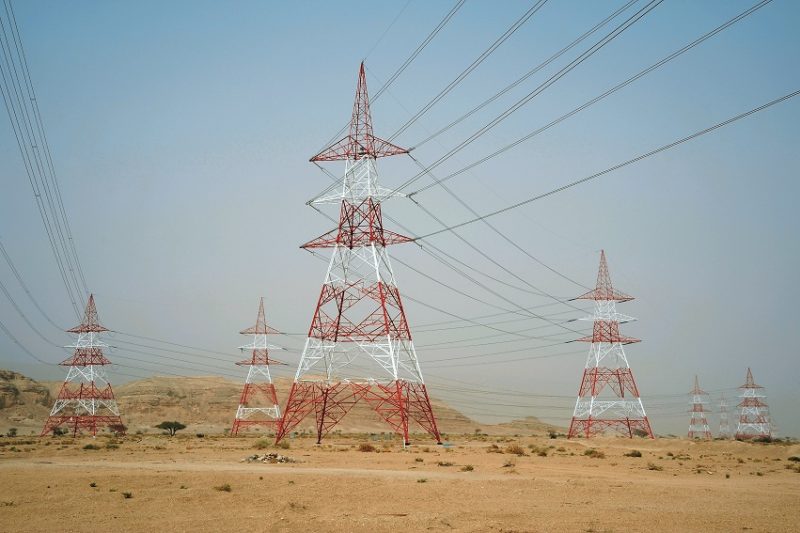
Over the past one year, there has been no appreciable movement in interregional power transmission projects awarded under the tariff-based competitive bidding (TBCB) mechanism, as gauged from official statistics released by Central Electricity Authority. Given that the TBCB mechanism is a very important dimension of reforms in the power sector, this sluggishness is worrisome, notes Venugopal Pillai.