

Special Report
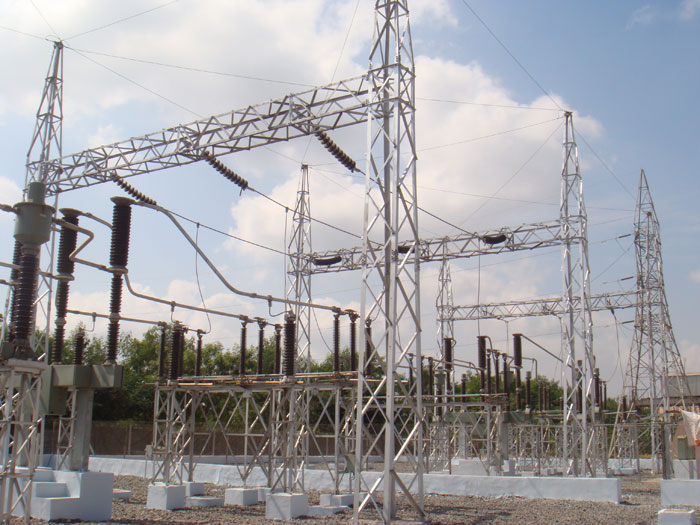
TBCB Report Card for CY2020: Zero additions, four completions
Not a single power transmission project, under the tariff-based competitive bidding (TBCB) route, was awarded during calendar year 2020, according to latest statistics released by Central Electricity Authority (CEA).
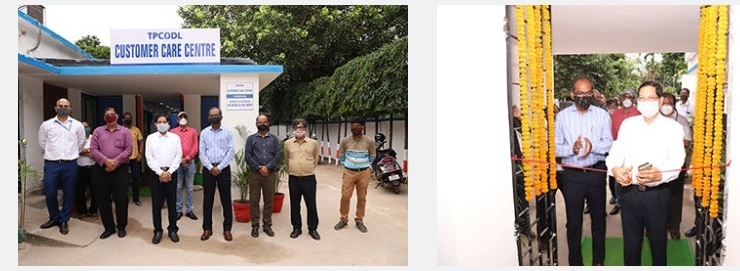
Central Odisha already seeing benefits of CESU privatization: Praveer Sinha
- Feb 20, 2021
Electricity consumers of Central Odisha are beginning to see the benefits of privatization of the power utility CESU, noted Praveer Sinha, MD & CEO, Tata Power.
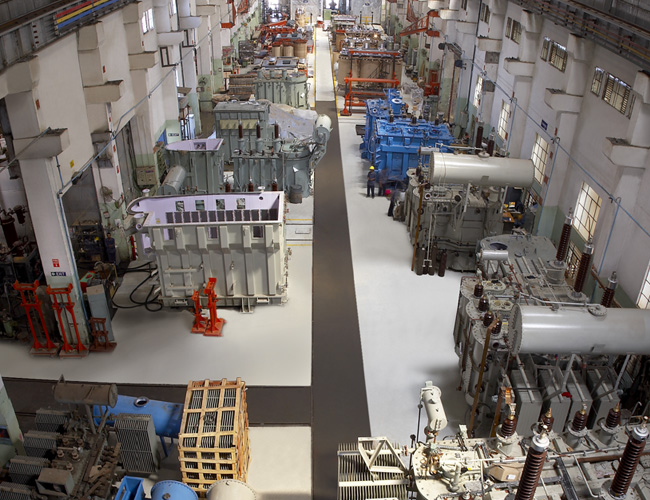
Union Budget proposals will boost electrical equipment industry, says IEEMA
- Feb 1, 2021
Indian Electrical & Electronics Manufacturers Association (IEEMA) has welcomed the Union Budget announced by the Hon’ble Union Finance Minister Smt. Nirmala Sitharaman, as a balanced budget. It focuses on India’s infrastructure boost and also emphasises on steps that the government will take to strengthen the discoms, IEEMA has noted in a statement.
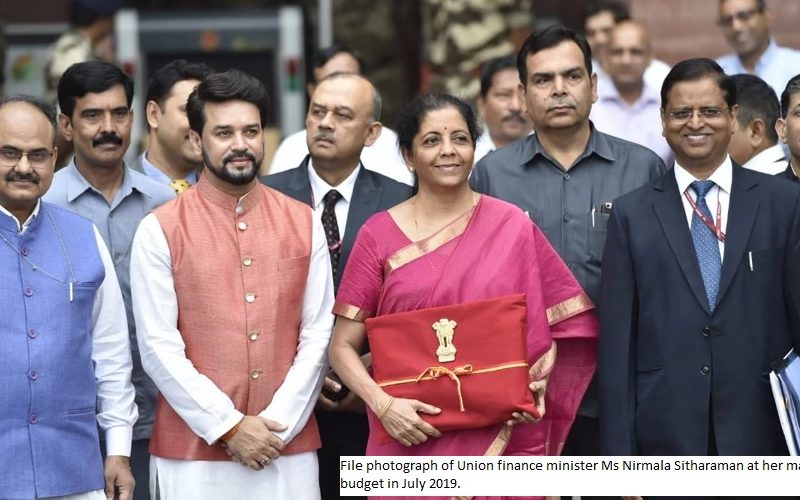
Expectations from Union Budget: 2021-22
- Jan 23, 2021
Here is a collection of expectations of industry captains across a broad spectrum of industries, from the upcoming Union Budget 2021-22 that is proposed for presentation on February 1, 2021.
‘Government is a big procurer of modular UPS systems’
- Jan 20, 2021
Rather contrary to popular belief, government agencies are big procurers of modular UPS systems, noted Palash Nandy, CEO, Numeric, in a recent media interaction.
Insignificant progress on 765kV lines in FY21
- Jan 11, 2021
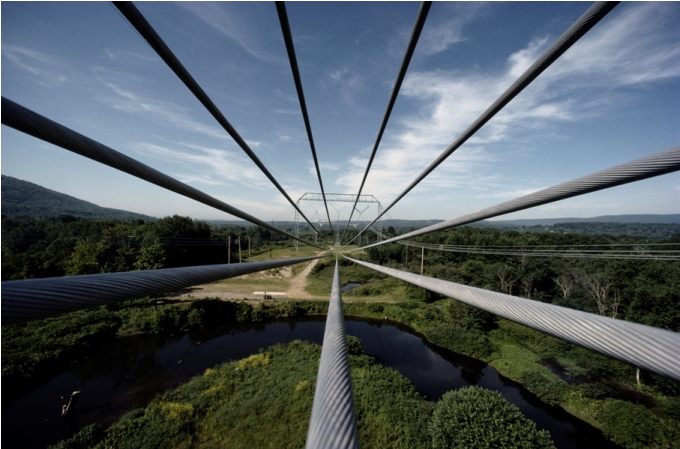
There has been insignificant addition of 765kV transmission lines in the ongoing fiscal year, so far, according to statistics newly released by Central Electricity Authority (CEA).
Leading Smart Energy Event “India Smart Utility Week 2021” To Begin On March 2
- Jan 10, 2021
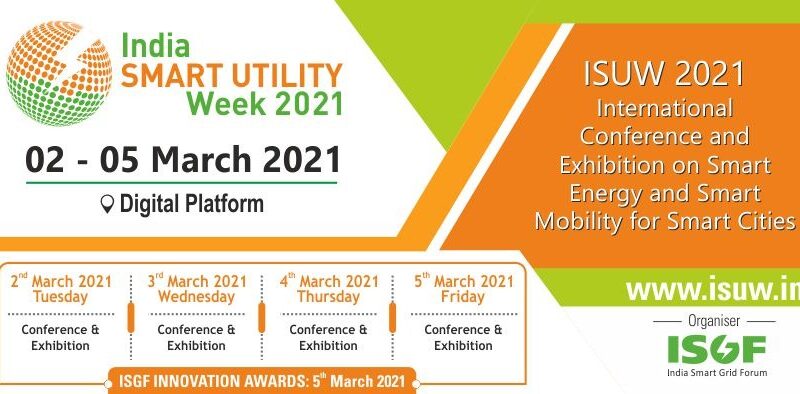
India Smart Grid Forum, a PPP initiative of Government of India, is organising the 7th edition of their annual flagship event “India Smart Utility Week (ISUW2021) from March 2 to March 5, 2021.
Electricity demand reviving but discom woes to persist: ICRA
- Jan 7, 2021
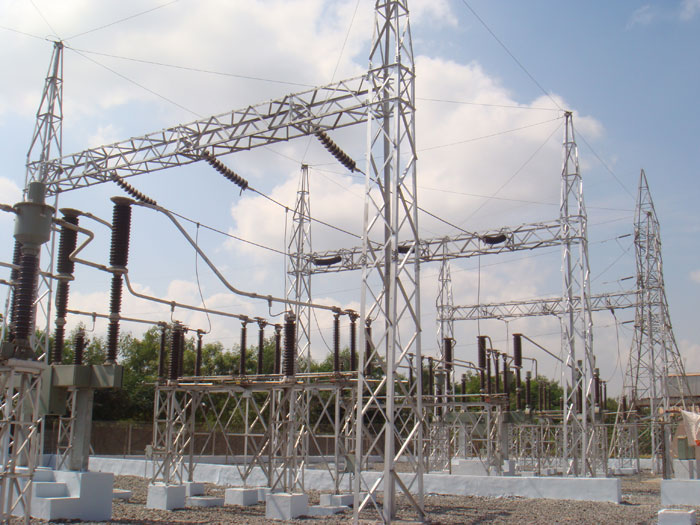
The all India electricity demand is expected to witness a growth of 6.0– 7.0 per cent in FY22 against an estimated decline of 2.0–2.5 per cent in FY21, driven by a favourable base effect and likely recovery in demand from the commercial and industrial (C&I) segments, noted ICRA in a release. However, the outlook for state government discoms continues to be negative.
‘Choice of transmission technology depends on system restoration philosophy’
- Dec 10, 2020
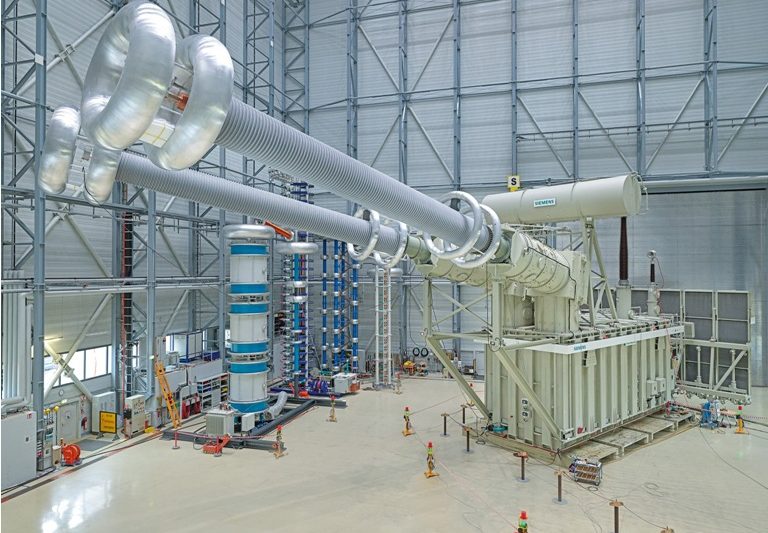
The Maharashtra government recently approved a plan to construct an 80-km underground HVDC link to augment power supply to Mumbai. This was done with a view to forestalling events like the major grid failure of October 12, 2020, that severely affected Mumbai and neighbouring areas. T&D India got in touch with Hauke Jürgensen, Head of Large Transmission Solutions at Siemens Energy, to understand some underlying technical issues.
Assessing need and readiness for energy transition: Siemens releases study
- Nov 26, 2020
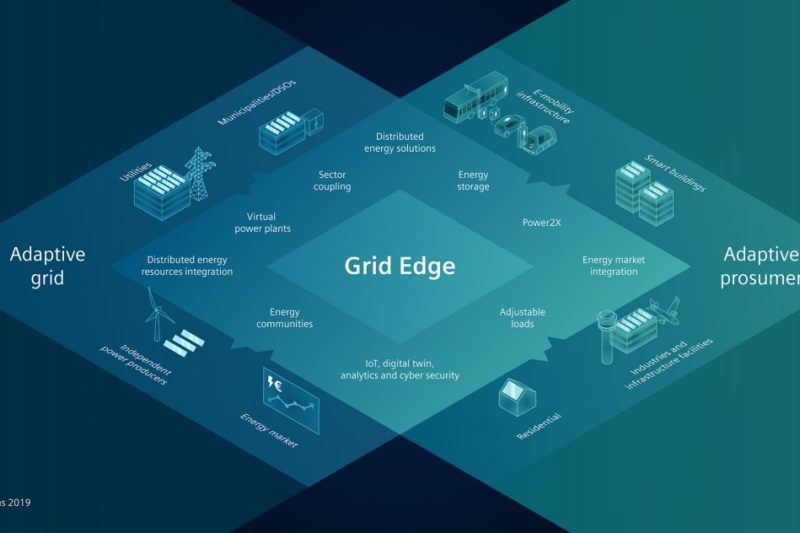
In a joint research project, Siemens Smart Infrastructure, Technische Universität Berlin (Germany) and University of Oxford (UK) have defined a comprehensive index to assess the opportunities and barriers for grid edge solutions.