

Special Report
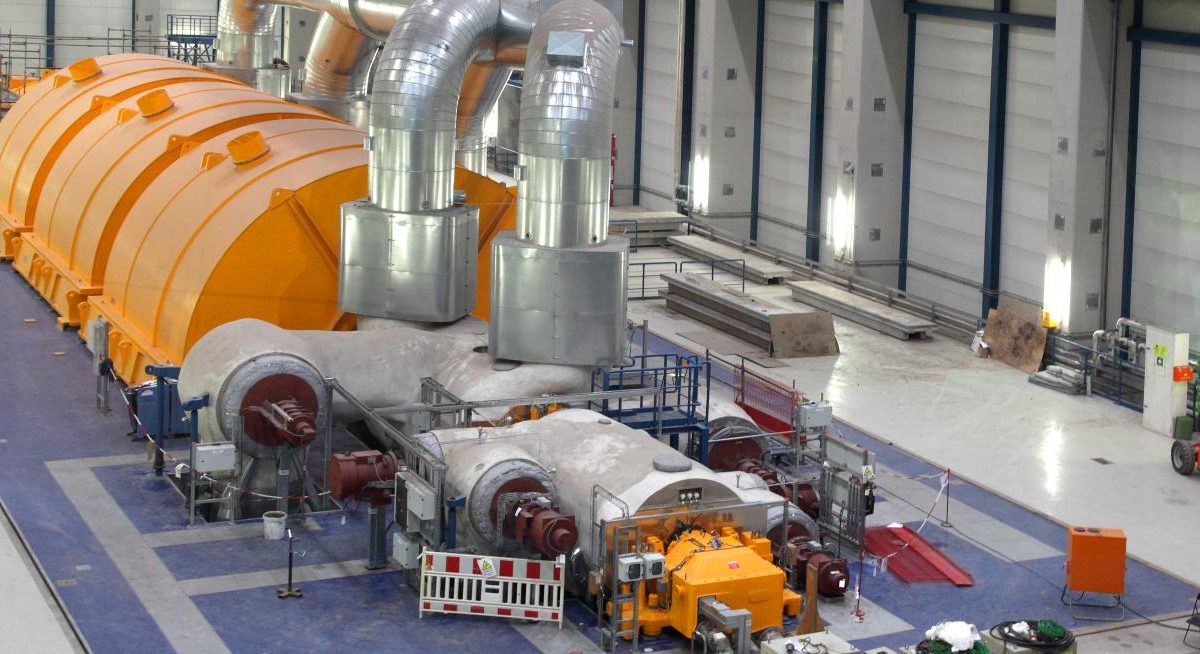
Analysis: Impact of GE’s exit from coal business on GE Power India
On September 21, 2020, GE announced that it would exit completely from the new-build coal market. Here is a summary report on the impact that the parent company’s decision would have on the business activity of its Indian arm, GE Power India Ltd.
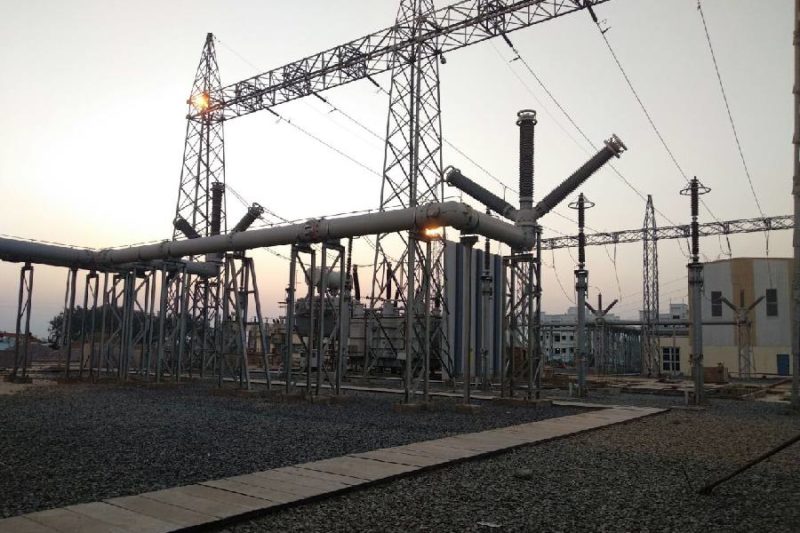
Transmission line capacity addition rebounds in September 2020
- Oct 14, 2020
The country’s endeavour at building new transmission lines saw a marked upswing in September 2020. However, the performance of transformation capacity (substations) was in contrast.
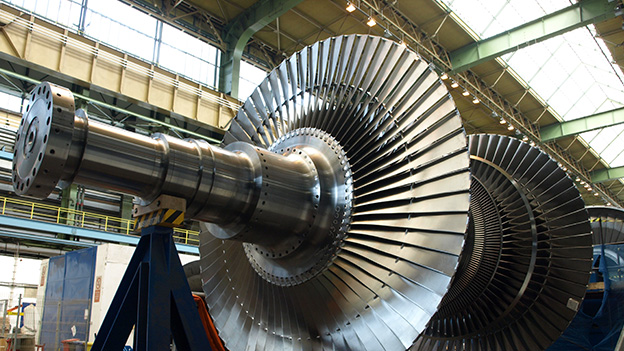
Over 33 GW of supercritical capacity in the making
- Sep 29, 2020
By December 2023, India is likely to see the addition of over 33 GW of power generation capacity through coal-fired plants based on efficient supercritical technology.
Indian industry should get serious on reverse engineering: R.K. Singh

- Sep 23, 2020
Indian manufacturers should turn serious on the concept of “reverse engineering” – as a stepping stone to building adequate domestic manufacturing capacity, observed Union power minister R.K. Singh. He was addressing, as Chief Guest, the digitally-conducted IEEMA Annual Convention: 2020 with “Atma Nirbhar Bharat” as its theme.
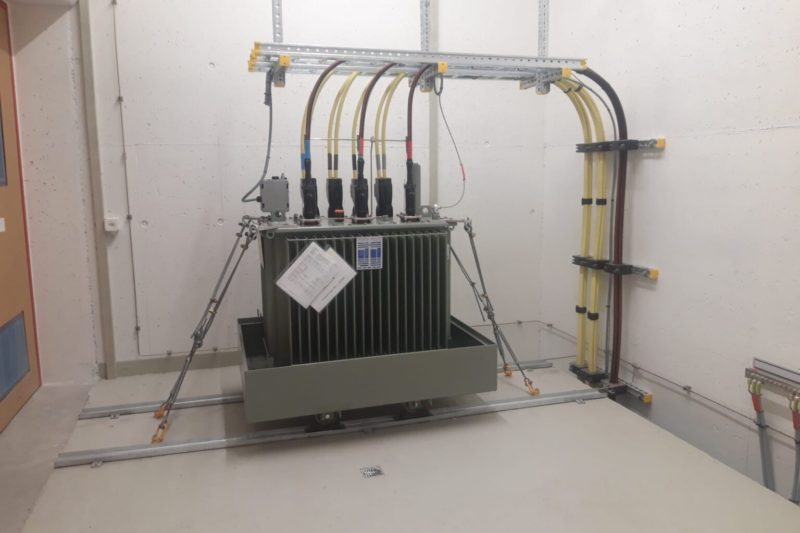
Earthquake-resistant transformers have huge demand in Switzerland
- Sep 21, 2020
R&S Rauscher & Stoecklin is part of the Swiss-based R&S Group, a leading provider of electrical infrastructure products in key markets. Recently, the company recently launched a new transformer design for earthquake-prone regions. T&D India got in touch with a senior official of R&S Rauscher & Stoecklin, who, requesting anonymity, discussed the new product and its relevance to Switzerland.
Share of clean energy crosses one-third of total generation capacity
- Sep 11, 2020
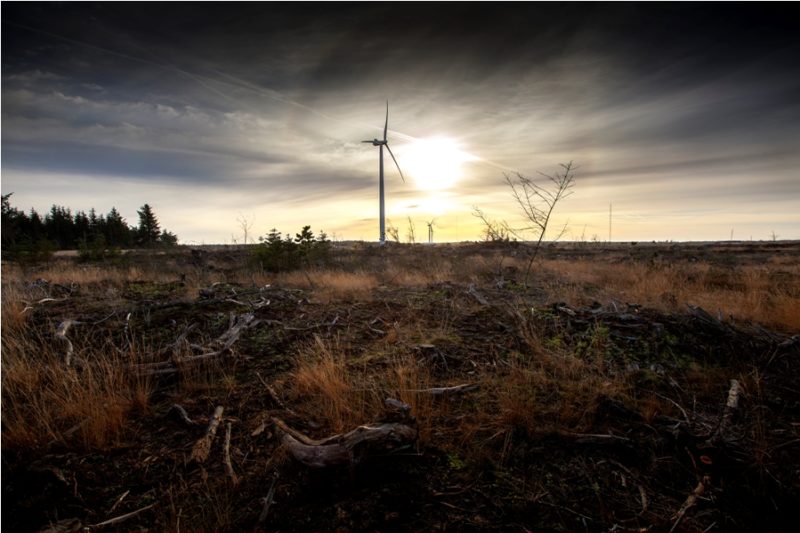
The share of clean energy sources has crossed one-third in terms of India’s power generation capacity, according to the latest statistics.
Power transmission upgrade improves in July
- Aug 31, 2020
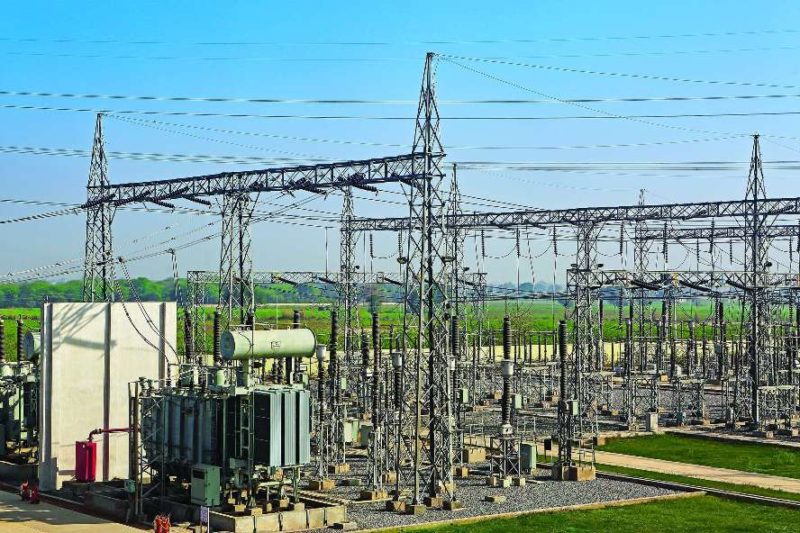
In terms of new power transmission lines and substations constructed, the performance in July 2020 has been much better than in the preceding month, latest statistics indicate.
No movement in TBCB projects in Q1FY21
- Aug 10, 2020
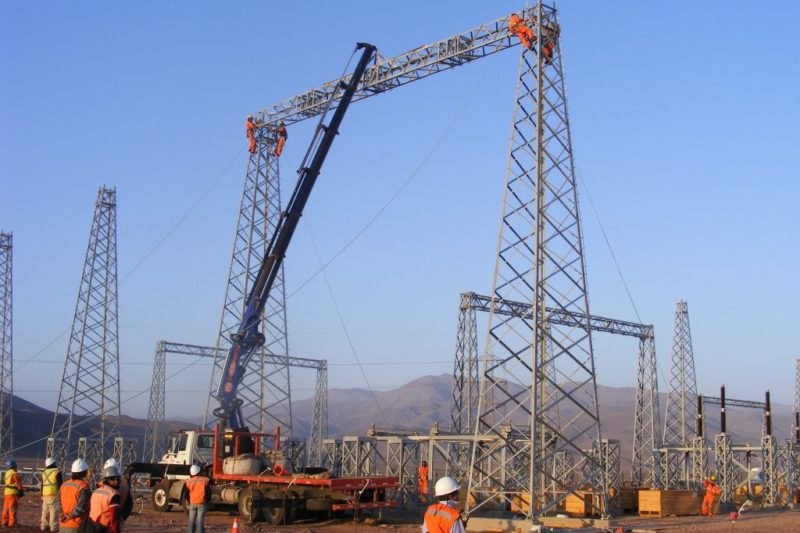
There has been no movement – in terms of projects awarded or completed — in the TBCB-based power transmission landscape, during the first quarter of the current fiscal year.
CEA estimates 2.7 per cent energy surplus in FY21
- Jul 30, 2020
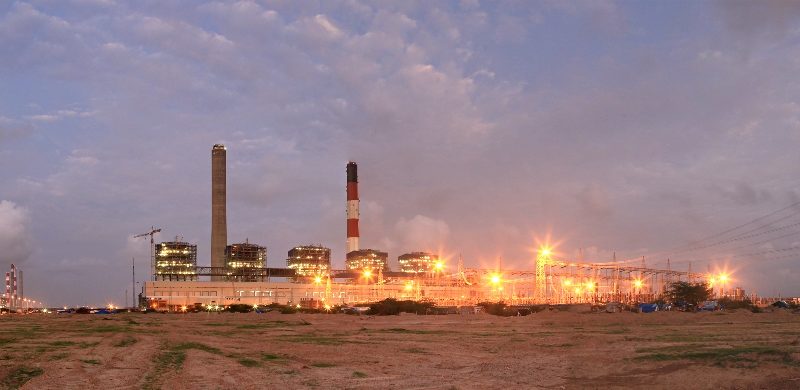
In its latest Load Generation Balance Report (LGBR), Central Electricity Authority (CEA) has envisaged India to have an energy surplus of 2.7 per cent in FY21 with the peak surplus for the year estimated at 9.1 per cent.
CPSE power projects face 44 pc cost overrun: MOSPI report
- Jul 27, 2020
The latest report on project implementation released by Ministry of Statistics & Programme Implementation (MOSPI) shows that projects under the power ministry have seen total cost escalation of 44 per cent.