

Special Report
Power transmission upgrade falls short of target
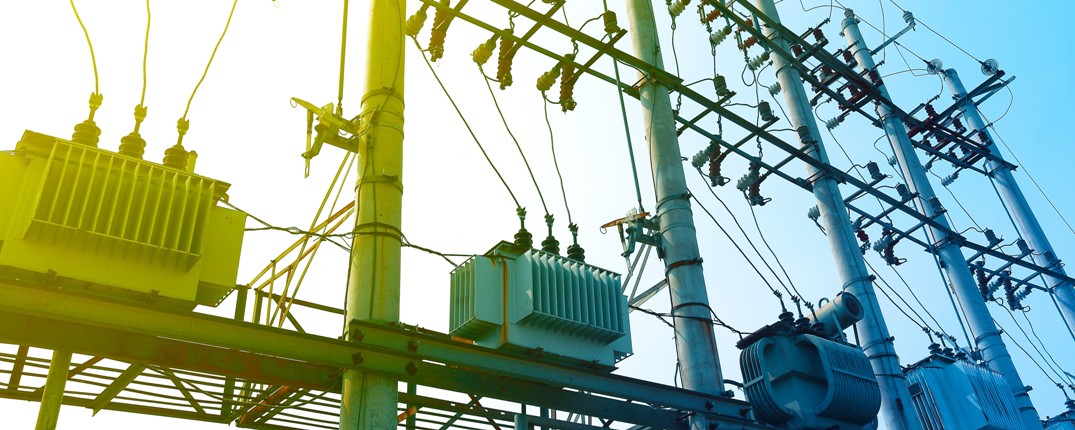
The COVID-19 related lockdown appears to have had a detrimental effect on the country’s power transmission infrastructure upgrade programme, according to information released by Central Electricity Authority (CEA).
South India has highest share in upcoming transmission infrastructure
- Jun 29, 2020
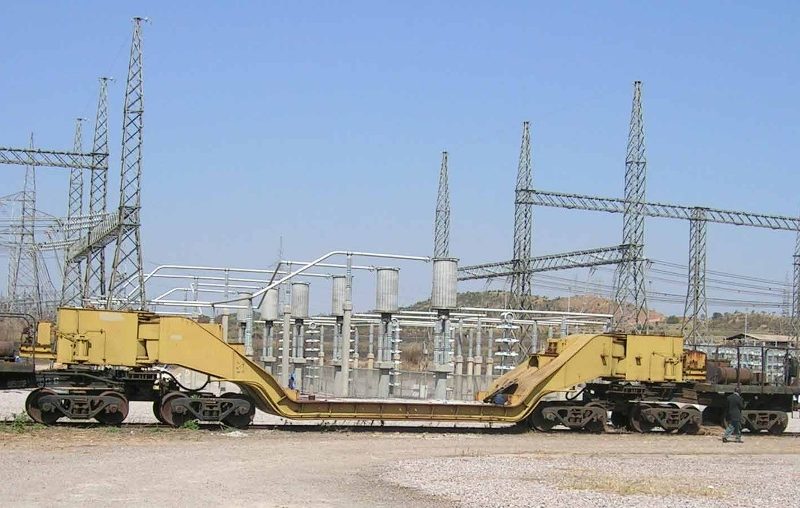
The southern region comprising Karnataka, Tamil Nadu, Andhra Pradesh, Telangana and Kerala account for most of the power transmission infrastructure currently under construction, according to government statistics.
‘Renewables and e-mobility are two key areas for India’
- Jun 17, 2020
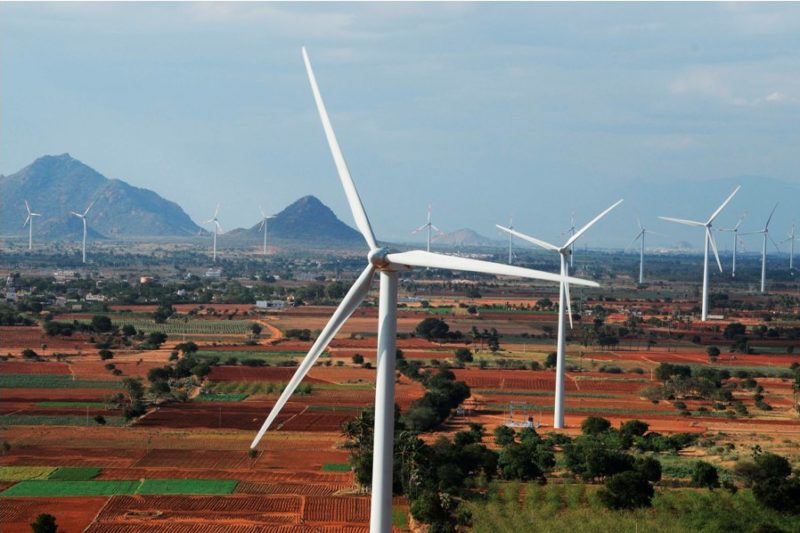
Pushing towards more renewable energy sources, and shifting to e-mobility are two areas in the energy space that India needs to seriously pursue, according to Cedrik Neike, CEO of Siemens Smart Infrastructure.
India misses generation capacity addition target in FY20
- May 27, 2020
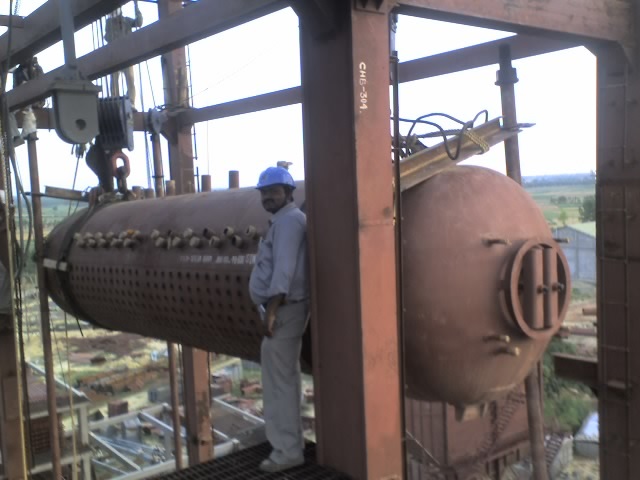
India has missed attaining its conventional power generation capacity addition target in FY20, by a rather wide margin, latest CEA statistics suggest.
CEA targets 6pc power generation growth in FY21
- May 25, 2020
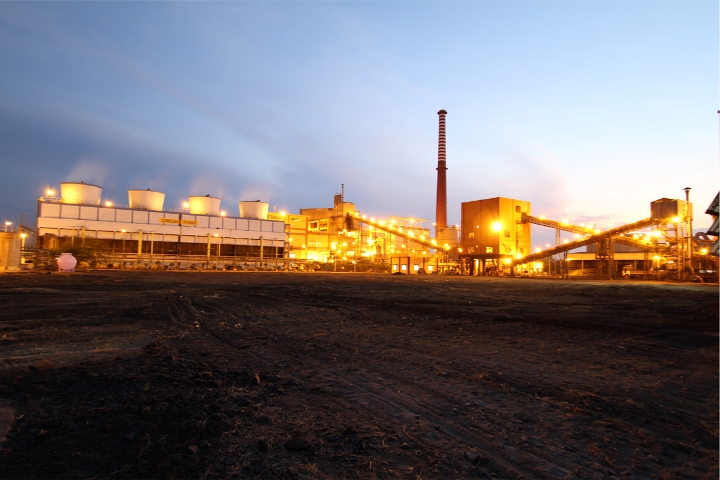
Central Electricity Authority (CEA) has fixed the annual power generation target for FY21 at 1330 BU, implying a 6.2 per cent growth over the actual generation level of FY20.
India falters on power transmission upgrade in FY20
- May 8, 2020
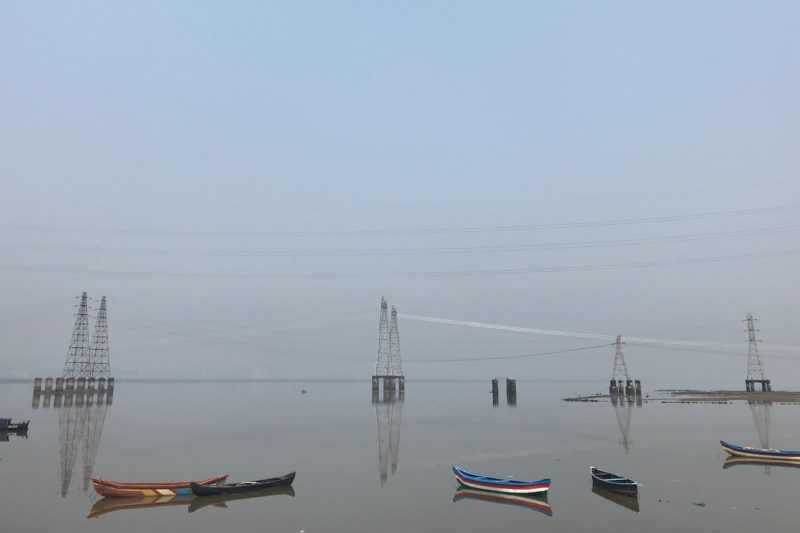
India could add barely 50 per cent of the targeted power transmission line capacity in FY20, according to statistics recently released by Central Electricity Authority.
Major power distribution reforms on the cards
- Mar 14, 2020
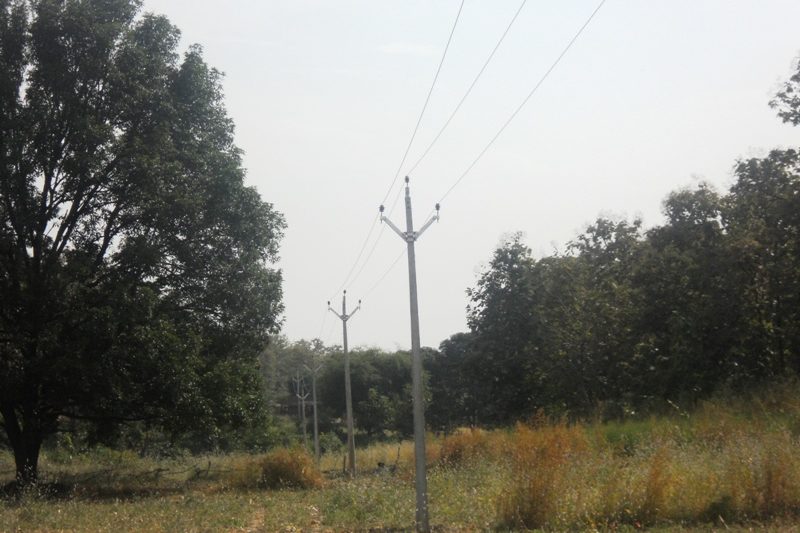
Union power minister, R.K. Singh, was the chief guest at the mega event ELECRAMA 2020 that was held at India Expo Mart, Greater Noida, during January 18-22, 2020. In his inaugural address, Singh discussed overall trends in the power sector, particularly highlighting concerns in the power distribution segment. The minister asserted that the government was working towards an early resolution of the problems faced by distribution utilities, and was confident that the new wave of reforms, proposed to be initiated soon, will make power distribution commercially viable and even profitable. This special story is based on R.K. Singh’s address.
Pursuing the distribution licensee model
- Feb 2, 2020
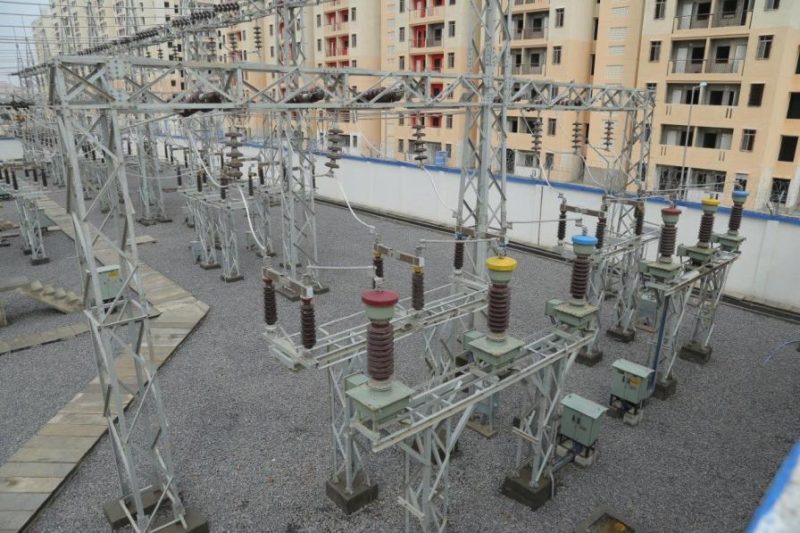
In a very significant recent development, Odisha Electricity Regulatory Commission (OERC) awarded the letter of intent to Tata Power as the successful bidder to own the licence for the distribution and retail supply of electricity in Odisha’s five circles, together constituting Central Electricity Supply Utility of Odisha (CESU).
Schneider Electric opens first smart distribution centre in India
- Nov 26, 2019
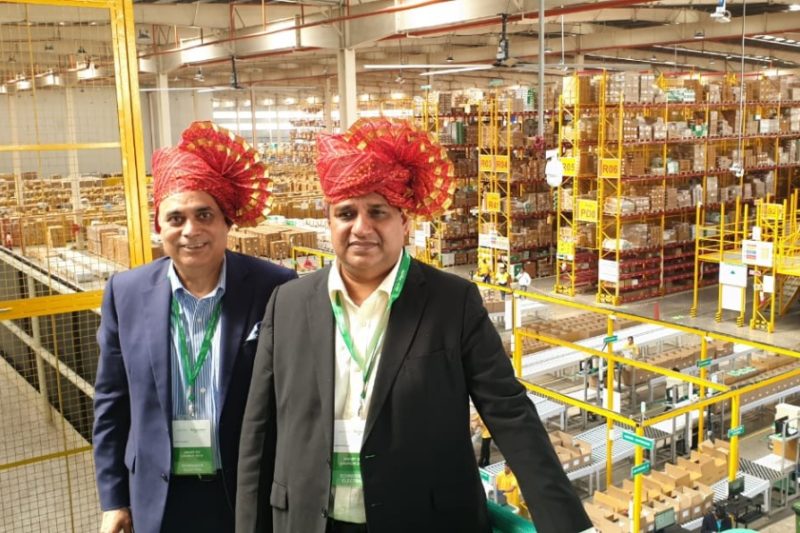
Schneider Electric, on November 11, 2019, opened its first Smart Distribution Centre in India. The Smart Distribution Centre, located at Bhiwandi — the commercial hub of Mumbai, has been digitally transformed with Schneider Electric’s EcoStruxure architecture to be more energy efficient and provide real time access to information right across the supply chain. Early results from this digitization initiative are showing expected energy savings of 10 to 12 per cent and an increase in logistics efficiency of 5 per cent at the site.
Power T&D: New thinking, new frontiers
- Sep 17, 2019
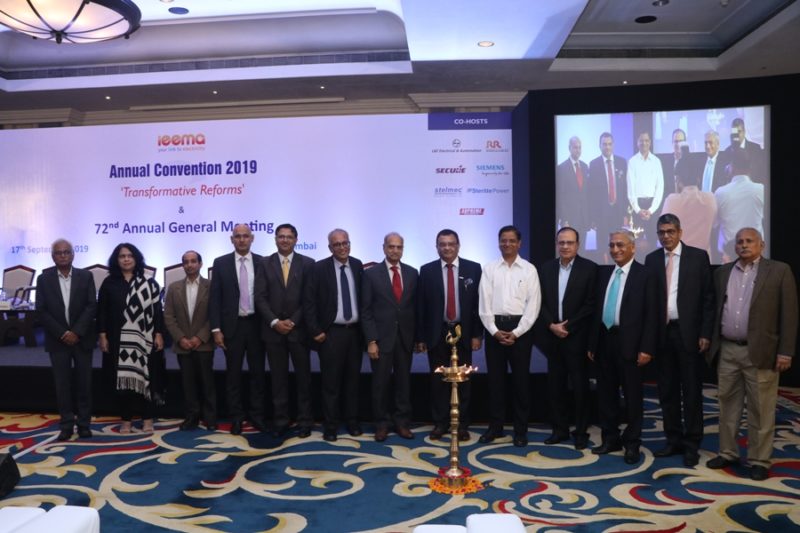
Apex industry body IEEMA (India Electrical & Electronics Manufacturers’ Association) recently held its Annual Convention 2019 in Mumbai, on September 17, 2019. The event, themed “Transformative Reforms,” saw the confluence of path breaking ideas coming from an erudite set of speakers and panelists. This story is based on insights gained during individual presentations and the panel discussion.