

Special Report
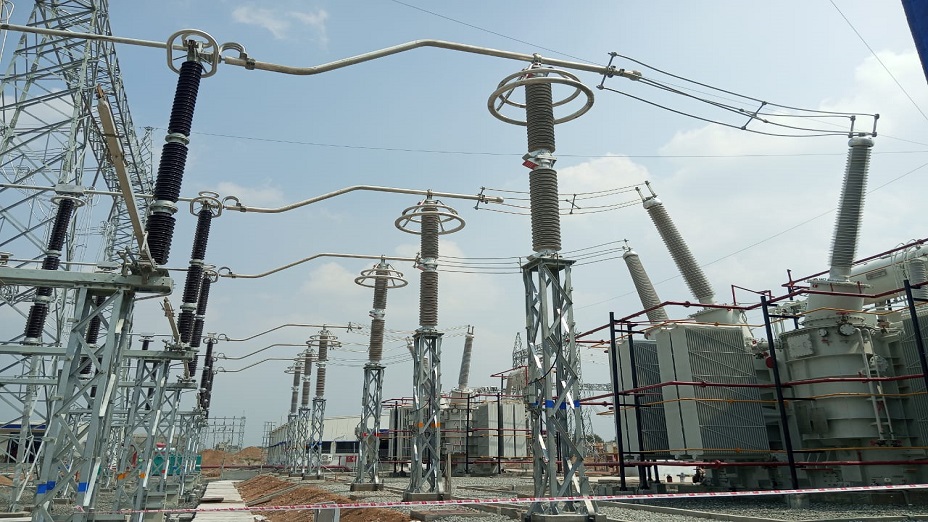
Nearly 20,000 ckm of new intrastate lines planned in Maharashtra
- Feb 13, 2026
Maharashtra has targeted to grow its intrastate grid by nearly 20,000 ckm between now and end of FY34, it was informed in Parliament.
PGCIL gets capitalization boost in Q3, upwardly revises FY26 guidance
- Feb 4, 2026
Power Grid Corporation of India Ltd (PGCIL) staged a smart recovery in its project capitalization during the third quarter (Q3: October to December) of FY26, even inspiring the Central PSU to upwardly revise its FY26 guidance by 10 per cent.
Plan outlay of power CPSUs to cross Rs.1-trillion mark in FY27, PGCIL tops
- Feb 2, 2026
The aggregate plan outlay of all Central public sector undertakings (CPSUs) is expected to cross Rs.1-trillion (Rs. 1 lakh crore) during the fiscal year FY27 (April 1, 2026 to March 31, 2027).
State transcos to function as pure transmission service providers
- Jan 23, 2026
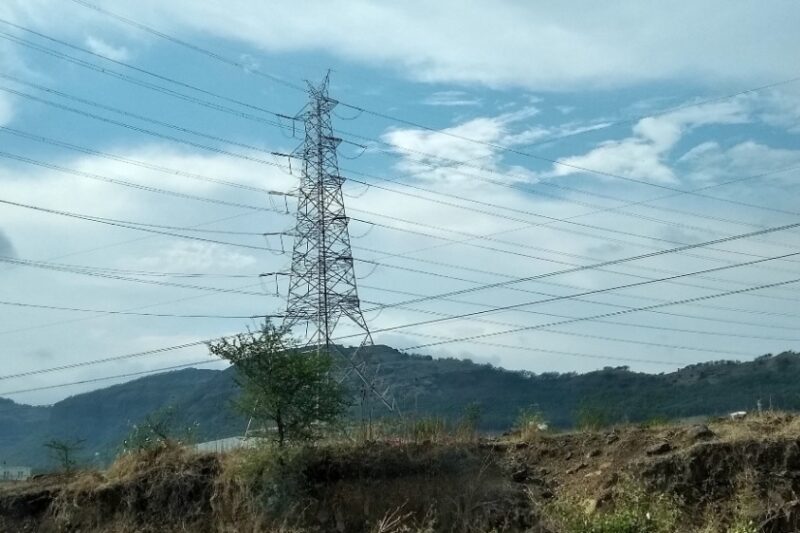
The newly-released Draft National Electricity Policy – 2026 has recommended pathbreaking measures that will hive off certain activities of state transmission companies (transcos) so that they function purely as transmission service providers (TSP). Here is an analysis.
Memorable month for ISTS-TBCB landscape; seven schemes fully commissioned in December 2025
- Jan 17, 2026
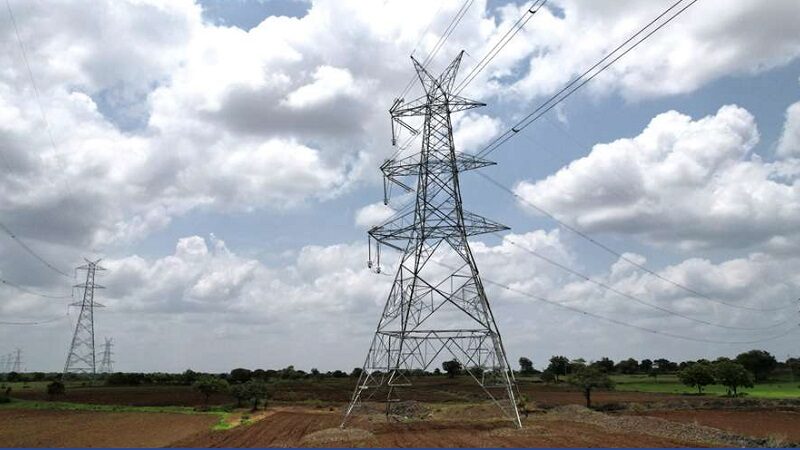
It was indeed a momentous month for the ISTS-TBCB market with as many as seven schemes getting fully commissioned in December 2025 alone.
Haryana joins TBCB movement for intrastate grid development, 400kV Munak substation is first project
- Jan 12, 2026
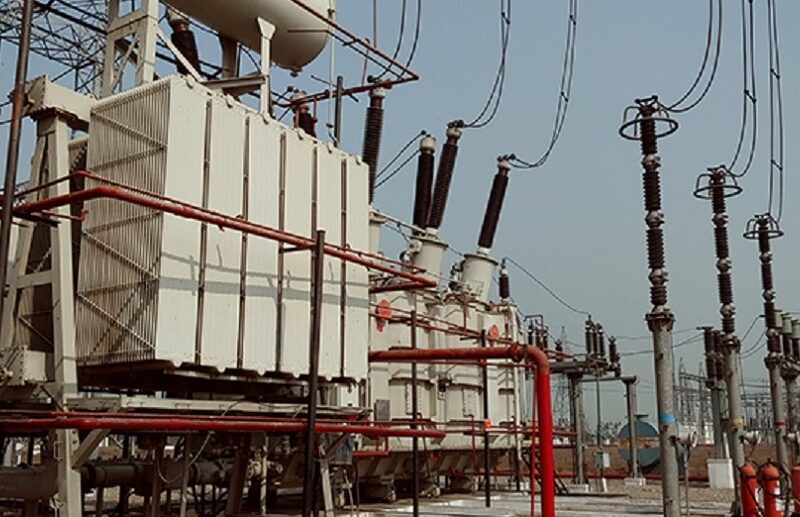
Haryana, the first state to have deployed the public private partnership (PPP) model in intrastate power transmission way back in 2010, is now adopting the tariff-based competitive bidding (TBCB) framework for expanding its intrastate grid.
ISTS-TBCB market in 9MFY26: 12 schemes, 7 winners, Adani Energy enjoys highest market share
- Jan 8, 2026
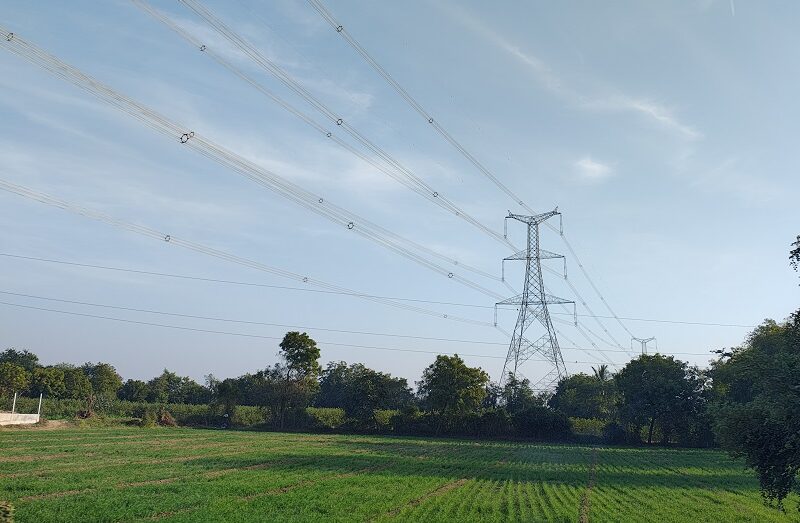
The ISTS-TBCB market in the first nine months (9M: April to December) of FY26 saw 12 schemes being formally awarded to seven winning developers. Adani Energy Solutions Ltd (AESL) was a clear leader in terms of tariff-based market share.
Finance ministry creates shelf of 44 power transmission schemes, for development in PPP mode
- Jan 7, 2026
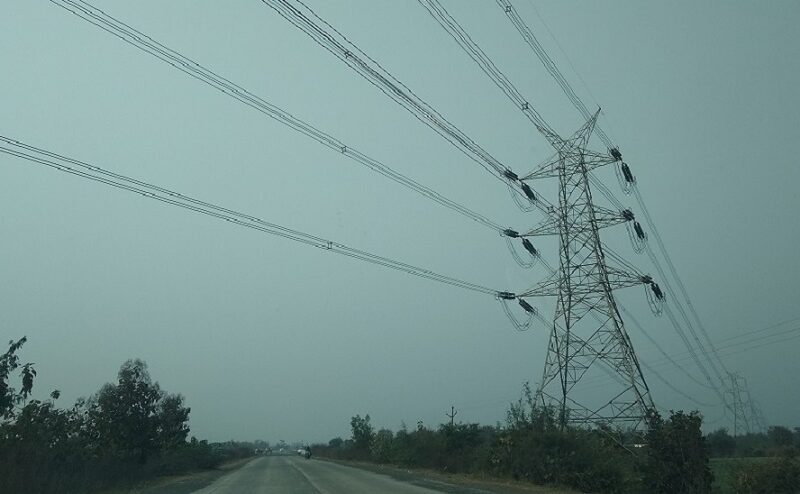
The Union finance ministry recently announced the creation of a project pipeline of 46 power transmission schemes, to be developed in public-private partnership (PPP) mode.
Substation capacity addition sustains growth momentum

- Dec 29, 2025
The growth momentum seen in new substation capacity addition during the current fiscal year was sustained in November 2025.